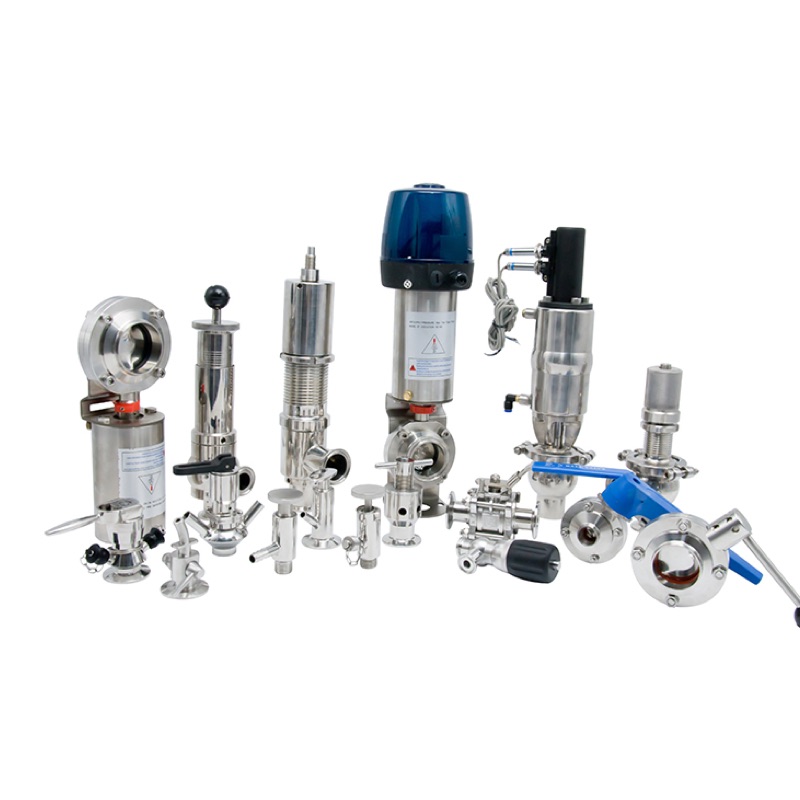
Can contamination ruin a pharmaceutical batch? Yes, and hygienic valves prevent it. They keep production sterile and safe. In this post, you’ll learn how hygienic valves ensure purity and control in pharmaceutical and biotech manufacturing. We’ll explore their vital role in maintaining hygiene and meeting strict industry standards.
Table of Contents
Toggle
The Role of Hygienic Valves in Fermentation Processes
How hygienic valves support optimum fermentation
Fermentation plays a vital role in pharmaceutical and biotech production. It involves converting biological materials using living cells or their components, like bacteria or enzymes, to produce valuable products such as insulin and antibiotics. Maintaining sterile and controlled conditions throughout fermentation is essential to ensure product quality and safety.
Hygienic valves help maintain these conditions by preventing contamination. Their design allows easy cleaning and sterilization, ensuring no residues or microbes remain. This keeps the environment sterile and supports consistent fermentation results. Because fermentation depends on steady conditions, hygienic valves also help maintain the right flow rates and pressures of gases and liquids entering or leaving the fermenter.
Use of hygienic valves for precise dosing and temperature control
Precise dosing of nutrients, gases, and other media components is critical for optimum fermentation. Hygienic valves provide accurate control over flow rates, allowing exact amounts of substances to be introduced at the right time. This precision supports the growth and activity of the biocatalysts, improving yield and quality.
Temperature control is equally important. Hygienic valves regulate steam or cooling media flow to maintain the fermenter’s temperature within tight limits. This ensures the biological processes proceed efficiently without harming the living cells. Reliable valves reduce the risk of temperature fluctuations that could disrupt fermentation.
Integration of mass flow controllers and valve automation
Modern fermentation systems benefit from integrating mass flow controllers and automated hygienic valves. Mass flow controllers measure and regulate gas or liquid flow precisely, feeding data to control systems. Automated valves respond instantly to control signals, adjusting flows based on real-time process conditions.
This integration allows continuous monitoring and fine-tuning of fermentation parameters. Operators can program automated sequences to optimize nutrient dosing, gas supply, and temperature control without manual intervention. Automation reduces human error, cuts downtime, and increases overall process efficiency.
For example, an automated valve island can manage multiple valve functions centrally, simplifying system design and maintenance. This setup supports scalable and flexible fermentation processes, essential for pharmaceutical production's evolving demands.
Tip: Use automated hygienic valves combined with mass flow controllers to maintain precise dosing and temperature control, ensuring consistent fermentation quality and reducing manual errors.
Hygienic Valves in Separation and Media Component Isolation
Importance of hygienic valves in biophysical separation techniques
Separation is a crucial step in pharmaceutical and biotech production. It involves breaking down complex mixtures into individual components. This process ensures maximum yield and purity of the final product. Biophysical separation techniques, such as chromatography, rely heavily on precise control of fluid flow and cleanliness.
Hygienic valves play a vital role here. They maintain sterile conditions by preventing contamination. Their smooth, crevice-free surfaces avoid microbial buildup. This design allows thorough cleaning and sterilization, essential for compliance with strict hygiene standards. Valves also ensure accurate flow control, which is critical for separating components effectively.
Types of hygienic valves used in chromatography and separation
Different types of hygienic valves serve specific functions in separation processes:
Diaphragm valves: Known for their leak-proof sealing and easy cleaning. They control flow gently, protecting sensitive biomolecules during separation.
Butterfly valves: Offer quick operation and low pressure drop. Suitable for handling larger volumes in separation steps.
Ball valves: Provide tight shut-off and durability. Used where reliable isolation is necessary.
Valve islands: Combine multiple valves in one automated unit, simplifying system control and reducing space needs.
Each valve type supports different separation stages, from sample injection to fraction collection. Choosing the right valve depends on process requirements like flow rate, pressure, and sterilization method.
Automation benefits in separation processes
Automating hygienic valves in separation offers many advantages:
Consistent operation: Automated valves respond quickly to control signals, maintaining precise flow rates and pressures.
Reduced contamination risk: Less manual handling lowers contamination chances.
Data integration: Valve status and flow data feed into monitoring systems, supporting traceability and quality control.
For example, valve islands controlled by a central system can manage multiple separation steps seamlessly. This setup reduces downtime and simplifies maintenance.
Automation also allows remote monitoring and adjustments, increasing flexibility. It supports scalable production, adapting easily to changes in batch size or product type.
Tip: Use automated hygienic valve islands to streamline separation processes, improve flow accuracy, and maintain sterile conditions, boosting both product quality and operational efficiency.
Filtration and Purification Using Hygienic Valves
How hygienic valves facilitate filtration in sterile environments
Filtration and purification are key steps in pharmaceutical and biotech production. They remove unwanted particles or separate molecules based on size, ensuring the final product's purity. Hygienic valves play a crucial role here by maintaining sterile conditions throughout the filtration process.
These valves feature smooth, crevice-free surfaces that prevent microbial buildup and allow easy cleaning. Their design ensures no dead zones where residue could accumulate, reducing contamination risks. During filtration, valves control the flow of liquids precisely, directing media through filters without compromising sterility.
For example, diaphragm valves are often used because they provide tight sealing and gentle flow control, protecting delicate biomolecules during filtration. Automated hygienic valves also enable quick switching between filtration stages, reducing downtime and contamination chances.
Technologies for molecular weight-based separation
Filtration often involves separating molecules by size. Membrane filters act as physical barriers, allowing only molecules below a specific molecular weight to pass through. This process is vital for removing impurities or concentrating active ingredients.
Hygienic valves help regulate the pressure and flow rate needed for efficient filtration. Controlling these parameters ensures the filter operates within optimal ranges, preventing damage or clogging. Some valves also support backflushing, which cleans filters by reversing flow, extending filter life.
Common valve types used include:
Diaphragm valves for precise flow control and tight sealing
Ball valves for reliable shut-off during filtration cycles
Automated valve islands for managing multiple filtration paths
These valves integrate seamlessly into filtration systems, supporting molecular weight-based separation techniques like ultrafiltration and microfiltration.
Automation and temperature control in filtration processes
Automation enhances filtration by providing consistent control over valve positions, flow rates, and temperatures. Hygienic valve automation allows operators to program filtration sequences, adjust parameters remotely, and monitor process data in real time.
Temperature control is especially important during filtration to maintain product stability and prevent microbial growth. Hygienic valves regulate steam or cooling media flow to keep filtration units within required temperature ranges.
Advanced control systems use sensors combined with automated valves to adjust flows dynamically. This reduces manual intervention, lowers error risk, and improves process reliability. For example, automated valve islands can coordinate multiple valve functions, streamlining filtration and purification steps.
Tip: Use automated hygienic valves with integrated temperature control to maintain sterile filtration conditions and optimize molecular separation efficiency.
Ultrapure Water Treatment and Hygienic Valve Applications
Role of hygienic valves in producing Purified Water (PW) and Water for Injection (WFI)
In pharmaceutical and biotech production, water purity is paramount. Purified Water (PW) and Water for Injection (WFI) must meet strict quality standards because they serve as ingredients or cleaning agents. Hygienic valves ensure this by controlling the flow of water through treatment systems, preventing contamination, and maintaining sterile conditions.
These valves feature smooth, crevice-free surfaces that resist microbial growth and allow easy cleaning. They handle various process steps, such as filtration, deionization, and distillation, by precisely opening or closing flow paths. This control helps produce water that complies with pharmacopeia requirements.
For example, hygienic diaphragm valves regulate water flow during reverse osmosis or ultrafiltration stages, ensuring consistent quality. Their design also allows quick sterilization cycles, essential for maintaining system hygiene and preventing biofilm formation.
Monitoring and controlling water quality with hygienic valves
Maintaining ultrapure water quality requires constant monitoring and control. Hygienic valves work alongside sensors to adjust flow rates, pressures, and temperatures dynamically. This coordination helps detect and respond to changes in water quality instantly.
Advanced valve systems integrate with online analyzers that measure parameters like conductivity, pH, and microbial counts. When deviations occur, valves can automatically divert water or initiate cleaning processes to maintain standards.
For instance, a valve island controlled by a central automation system can isolate contaminated sections or regulate flow for optimal treatment. This real-time control minimizes downtime and ensures continuous supply of PW and WFI.
Automation solutions for efficient water treatment
Automation plays a crucial role in ultrapure water treatment. Automated hygienic valves reduce manual intervention, lowering contamination risk and improving process consistency. They also enable complex cleaning and sterilization sequences without dismantling equipment.
Modern valve actuators provide precise positioning and fast response times. When integrated with control cabinets and software, they support remote monitoring and adjustments. This setup allows operators to optimize water treatment processes, save energy, and maintain compliance.
For example, decentralized automation systems manage multiple valves across treatment stages, coordinating flow and pressure to maximize efficiency. These systems also log operational data, supporting traceability and quality assurance.
Tip: Implement automated hygienic valve systems combined with real-time monitoring to ensure consistent ultrapure water quality and optimize pharmaceutical water treatment processes.
Steam and Heat Transfer Processes Supported by Hygienic Valves
Use of hygienic valves in sterile steam generation
Sterile steam plays a critical role in pharmaceutical and biotech production. It is used for sterilizing equipment, controlling process temperatures, and cleaning production lines. Generating sterile steam requires precise control over water and steam flow to meet strict hygiene standards.
Hygienic valves ensure this control by managing the flow of purified water and steam through the generation system. Their smooth surfaces and crevice-free designs prevent microbial growth and contamination. Hygienic valves also withstand high temperatures and pressures, making them ideal for steam applications.
For example, diaphragm valves are commonly used for their tight sealing and reliability in high-temperature steam lines. These valves allow safe isolation of steam sections during maintenance or sterilization cycles, ensuring continuous sterile conditions.
Controlling temperature and sterilization with hygienic valves
Maintaining precise temperature control is essential during sterilization and heat transfer. Hygienic valves regulate the flow of steam or heating media to achieve target temperatures quickly and maintain them steadily.
Accurate valve control prevents overheating or underheating, which could damage sensitive pharmaceutical products or compromise sterilization effectiveness. Valves also enable rapid switching between heating and cooling phases, optimizing cycle times and energy use.
In addition, hygienic valves support sterilization by enabling steam to flow through equipment and piping during Sterilise in Place (SIP) processes. Their design allows thorough cleaning and sterilization without dismantling equipment, reducing downtime and contamination risk.
Automation in steam and heat transfer applications
Automation enhances steam and heat transfer processes by providing precise, repeatable valve control. Automated hygienic valves respond instantly to control system commands, adjusting steam flow based on real-time temperature and pressure data.
Valve islands and process valve automation systems centralize control of multiple valves, simplifying system operation and maintenance. Operators can program sterilization cycles, temperature ramps, and cleaning sequences, ensuring consistent process quality.
Automation also improves safety by reducing manual intervention in high-temperature environments. It enables remote monitoring and diagnostics, helping detect valve faults or process deviations early.
For example, a valve island controlling steam distribution can automatically isolate sections for maintenance without interrupting the entire system. This flexibility supports continuous production and compliance with strict pharmaceutical hygiene regulations.
Tip: Use automated hygienic valves with precise temperature and flow control to optimize sterile steam generation, enhance sterilization efficiency, and reduce downtime in pharmaceutical production.
Clean in Place (CIP) and Sterilise in Place (SIP) with Hygienic Valves
How hygienic valves enable efficient CIP without dismantling equipment
Clean in Place (CIP) is a vital process in pharmaceutical and biotech production. It cleans product contact surfaces inside pipelines, tanks, and equipment without dismantling them. Hygienic valves play a key role here by controlling the flow of cleaning fluids through these systems. Their smooth, crevice-free design prevents microbial buildup and residue, ensuring thorough cleaning.
During CIP, valves open and close in precise sequences to direct cleaning agents like detergents, water, and sanitizers through the system. Their reliable sealing prevents cross-contamination between clean and dirty sections. Hygienic valves also withstand aggressive cleaning chemicals and repeated cleaning cycles, maintaining their integrity over time.
Automation of hygienic valves enhances CIP efficiency. Automated valves follow programmed cleaning cycles, reducing manual intervention and errors. They allow quick switching between cleaning stages, saving time and minimizing downtime. This automation supports compliance with strict hygiene standards and ensures repeatable, validated cleaning processes.
Role of hygienic valves in SIP for sterilization
Sterilise in Place (SIP) follows CIP to sterilize equipment using pure steam. Hygienic valves control steam flow into vessels and piping, maintaining sterile conditions without equipment disassembly. Their design resists high temperatures and pressure, ensuring safe and effective sterilization.
Valves enable accurate control of steam pressure and temperature, critical for killing microorganisms and ensuring product safety. They isolate sections for targeted sterilization or maintenance without stopping the entire system. Hygienic valves also facilitate rapid venting of condensate, preventing water hammer and damage.
Automated valve control allows precise timing and sequencing of steam delivery during SIP. This improves process reliability and reduces operator workload. It also supports data logging for process validation and regulatory compliance.
Flow and temperature measurement in CIP/SIP processes
Measuring flow and temperature during CIP and SIP is essential for process control and validation. Hygienic valves integrate with sensors to monitor these parameters in real time. Accurate flow measurement ensures cleaning fluids and steam reach all surfaces at required rates.
Temperature sensors combined with valve automation maintain target sterilization temperatures throughout the cycle. This prevents under- or overheating, protecting equipment and ensuring microbial kill. Data from sensors and valves feed into control systems, enabling continuous monitoring and alarms for deviations.
Advanced solutions use valve islands and process automation to centralize control of multiple valves and sensors. This setup simplifies operation, improves traceability, and supports flexible cleaning and sterilization programs tailored to specific equipment.
Tip: Automate hygienic valves in CIP and SIP to ensure precise cleaning and sterilization cycles, reducing downtime and enhancing process validation.
Benefits of Using Hygienic Valves in Pharmaceutical and Biotech Production
Ensuring product safety and compliance with hygiene standards
In pharmaceutical and biotech production, safety comes first. Hygienic valves help keep products safe by preventing contamination. Their smooth, crevice-free surfaces stop germs from hiding and growing. This design makes cleaning and sterilization easy and effective, meeting strict hygiene rules.
These valves ensure sterile conditions during every process step. Whether handling liquids, gases, or steam, hygienic valves maintain purity. They also comply with regulatory standards, like FDA and GMP, which demand high cleanliness levels. Using hygienic valves reduces risks of product recalls or health hazards caused by contamination.
Improving production efficiency and reducing downtime
Hygienic valves boost production efficiency by offering reliable, precise control. They open and close quickly, regulate flow smoothly, and avoid leaks. This precision helps maintain stable process conditions, improving yield and product quality.
Automation plays a big role here. Automated hygienic valves integrate with control systems, allowing remote operation and real-time adjustments. This reduces manual work and human error. Operators can program cleaning cycles, dosing, or sterilization sequences, saving time and effort.
Additionally, hygienic valves are durable and easy to maintain. Their design minimizes wear and tear, lowering the chance of unexpected failures. Quick maintenance and replacement reduce downtime, keeping production lines running smoothly.
Cost savings through reliable and automated valve solutions
Investing in hygienic valves pays off by cutting costs over time. Their reliability prevents costly contamination events and product losses. Automation reduces labor costs and improves process consistency, avoiding waste.
Hygienic valves also support efficient cleaning and sterilization. CIP and SIP processes run faster and more effectively, saving water, energy, and cleaning agents. This efficiency lowers operational expenses.
Moreover, valve islands and integrated automation reduce system complexity. Fewer components mean less installation space, lower maintenance, and simplified control. This streamlines production and reduces capital expenditure.
Choosing high-quality hygienic valves helps companies meet production goals while controlling costs and ensuring product safety.
Tip: Invest in automated hygienic valves to enhance product safety, boost efficiency, and achieve long-term cost savings in pharmaceutical and biotech manufacturing.
Conclusion
Hygienic valves are essential for maintaining sterile conditions and precise control in pharmaceutical production. They improve efficiency by enabling automation and reducing contamination risks. Future advancements will focus on smarter, more integrated valve technologies to meet evolving industry demands. Selecting the right hygienic valve solutions ensures product safety, process reliability, and cost savings. www.xsvalves.com Wenzhou Xusheng Machinery Industry and Trading Co.,Ltd and Wenzhou Compass Machinery Co.,Ltd offer high-quality hygienic valves that deliver these benefits, supporting modern biotech and pharmaceutical manufacturing needs.
FAQ
Q: What are hygienic valves and why are they important in pharmaceutical production?
A: Hygienic valves are specially designed valves with smooth, crevice-free surfaces that prevent contamination. They are crucial in pharmaceutical production to maintain sterile conditions and ensure product safety.
Q: How do hygienic valves support fermentation processes?
A: Hygienic valves maintain sterile conditions, control flow rates, and enable precise dosing and temperature regulation, ensuring consistent and high-quality fermentation results.
Q: Why should I choose automated hygienic valves?
A: Automated hygienic valves reduce manual errors, improve process efficiency, enable remote monitoring, and support complex sequences like CIP and SIP, enhancing overall production reliability.
Q: Are hygienic valves cost-effective for biotech manufacturing?
A: Yes, hygienic valves reduce contamination risks, lower downtime, and optimize cleaning cycles, leading to long-term cost savings despite initial investment.
Q: What types of hygienic valves are used in separation and filtration?
A: Common types include diaphragm, butterfly, and ball valves, each chosen based on flow control needs and sterilization requirements in separation and filtration steps.