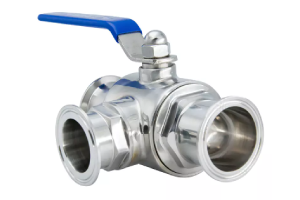
Sanitary fittings are special connectors. They help you make clean piping systems. You use these fittings to keep things clean. They stop contamination from happening. When you use sanitary fittings and tubing, you keep every part clean. Many industries need sanitary connection systems. They protect the purity of products. For example, food and beverage, pharmaceuticals, dairy, and biotechnology use sanitary tubing the most. These fittings help people follow sanitary rules. They also help your facility meet tough hygiene standards.
Key Takeaways
Sanitary fittings are very important for clean pipelines. They stop germs from getting in. Many industries use them, like food, medicine, and biotechnology. These fittings are smooth and have no cracks. This makes them easy to clean. It also stops bacteria from growing. Picking the right materials is important too. Stainless steel lasts a long time. It also keeps products pure. You need to take care of sanitary fittings often. Putting them together the right way stops leaks. This keeps systems safe and working well. You should follow industry rules like 3-A and ASME BPE. These rules make sure your sanitary fittings stay clean.
Sanitary Fittings Overview
What Is a Sanitary Fitting?
A sanitary fitting connects parts of a hygienic pipeline. These fittings are different from regular connectors. Their special design helps keep your system clean and safe. Sanitary fittings are used as hygienic connection parts in process piping. They stop product contamination and keep everything pure that moves through your system.
There are many types of sanitary fittings. Some examples are valves, elbows, tees, clamps, and gaskets. Most sanitary fittings are made from stainless steel or other smooth materials. This makes them strong and simple to clean. You can wash sanitary fittings by hand or use a clean-in-place (CIP) method. The design does not have pockets, threading, or sharp bends. These features make it hard for bacteria to hide or grow.
Sanitary fittings help keep products pure and people safe by making sure germs cannot survive.
Sanitary pipe fittings are important in industries that need very clean piping. You see them in food factories, drink plants, and medicine making. They help you follow strict hygiene rules and keep products safe.
Why Sanitary Fittings Matter in Hygiene
Sanitary fittings are important because they keep pipelines clean and free from germs. They make sure fluids move safely, lower the risk of contamination, and make cleaning easy without losing cleanliness. When you use sanitary pipe fittings, you get connections that do not leak. This helps stop contamination in your system.
Sanitary clamps make tight, leak-proof connections. This is important for stopping contamination in pipelines.
They make maintenance easy, so you can clean and change parts quickly. This is important for keeping things clean.
Meeting international standards means these fittings are good enough for many industries.
Sanitary fittings are made to be easy to clean. You can wash them by hand or use a CIP process. Their design stops bacteria from growing. They also do not rust, which helps keep things clean for a long time.
You need sanitary piping where cleanliness is very important. For example, in medicine making, every part must be clean to protect people’s health. In food factories, sanitary fittings keep food safe from germs and other bad things. In drink and biotechnology plants, these fittings help you follow strict hygiene and safety rules.
Sanitary fittings help with cleaning and maintenance. You can take them apart and put them back together fast. This saves time and keeps your system working well.
Choosing sanitary fittings helps make a safe place for your products and the people who use them.
Types of Sanitary Pipe Fittings
Common Types and Applications
You will find many types of sanitary pipe fittings in clean piping systems. Each type has a special job. You use these fittings to connect, change direction, or control the flow in your system. Here are some of the most common types you will see in food, beverage, and pharmaceutical plants:
Tees
Elbows
Wyes
Reducers
Valves
Clamps
Flanges
Unions
Caps
Crosses
Adapters
Couplings
Sanitary clamps play a big role in these systems. You use a sanitary clamp to join pipes quickly and tightly. This makes it easy to take apart and clean the system. You also use sanitary clamps to make leak-proof connections. This helps you keep your products safe from germs.
Some fittings, like valves and reducers, help you control the flow or change the size of the piping. You use tees and elbows to change the direction of the flow. Each fitting helps you build a system that is easy to clean and safe for your products.
Tip: Always choose the right sanitary fitting for your application. This helps you keep your system clean and working well.
Design Features for Hygiene
Sanitary fittings have special design features that help you keep your system clean. These features stop bacteria and dirt from hiding in the system. Here is a table that shows how some key features help with hygiene:
Design Feature | How It Helps Hygiene |
|---|
Crevice-free construction | Stops dirt and germs from collecting, so you can clean the system easily. |
Non-porous surfaces | Makes it hard for bacteria to grow and helps you wash the system better. |
Self-draining orientations | Makes sure no liquid or cleaner gets trapped, lowering contamination risk. |
Unobstructed flow paths | Keeps product moving, so nothing gets stuck and causes hygiene problems. |
You want sanitary fittings with smooth, crevice-free surfaces. These fittings do not have small gaps or rough spots. This means you can clean them fast and well. Non-porous surfaces also help because they do not let germs stick or grow. When you use sanitary clamps and other well-designed fittings, you make your system safer and easier to maintain.
Materials, Purity, and Surface Finish
Material Choices for Sanitary Fittings
You must pick the right material for sanitary fittings. This keeps your system safe and clean. Most sanitary piping uses stainless steel alloys. These alloys are strong and do not rust easily. They help stop rust and keep products pure. Here is a table that shows common materials and their properties:
Material Type | Composition | Corrosion Resistance Properties |
|---|
304 Stainless Steel | 18% Chromium, 8% Nickel | Good corrosion resistance, suitable for general-purpose fittings. |
316 Stainless Steel | 16% Chromium, 10% Nickel, 2% Molybdenum | Superior corrosion resistance, especially in chloride environments. |
Super Stainless Steel (904L) | Higher nickel, chromium, molybdenum, and copper | Excellent corrosion resistance, including resistance to acids. |
You will find 304 stainless steel in many systems. It works well for most jobs. If you need more protection, use 316 stainless steel. It is better if your system has harsh chemicals. Super stainless steel alloys like 904L give the most protection. They work best with strong acids.
Tip: Always check which stainless steel alloys fit your product and cleaning needs. This helps keep your system safe and lasting longer.
Surface Finish and System Purity
The surface finish of your bpe fittings is very important. A smooth finish makes it hard for germs to stick. You can clean and sterilize your system better with smooth surfaces. This lowers the risk of contamination and keeps your products pure.
Here is a table with recommended surface roughness (Ra) values for different uses:
Application Type | Recommended Ra (µm) | Recommended Ra (µin) |
|---|
Biopharmaceutical lines | 0.38 | 15 |
Less critical food applications | 0.8 | 32 |
Typical sanitary range | 0.25-0.8 | 10-32 |
Mill finish | ~0.8-2 | ~32-80 |
Mechanical polish | ~0.4-0.8 | ~15-32 |
Electropolish | ~0.25-0.5 | ~10-20 |
Smoother bpe fittings mean fewer places for bacteria to hide.
You get better cleaning, so your system stays pure.
High-quality finishes, like electropolish, give the best protection for important bpe fittings.
When you use the right materials and finishes, you protect your system. This keeps purity high and helps you follow strict hygiene rules. Your products stay safe.
Preventing Contamination and Ensuring Cleanability
How Sanitary Fittings Limit Bacterial Growth
You want your sanitary piping to stay clean and safe. Sanitary fittings help stop bacteria from growing inside pipes. Their design is very important for this. Smooth joints with no cracks make it hard for germs to hide. When you use fittings with flat, even surfaces, joints stay cleaner.
Good design gives bacteria fewer places to grow.
Fewer joints and welds mean less risk of contamination.
Smooth surfaces make cleaning easier.
A study found that antimicrobial additives in concrete pipes can stop bacteria like Thiobacillus. This helps prevent acid damage and keeps pipes strong. Using the right materials and design together keeps your sanitary system safe.
Maintenance and Leak-Free Connections
You need to take care of your sanitary system to stop leaks and keep it clean. Regular maintenance helps you find problems early. Here are some tips for keeping connections leak-free:
Check and clean ferrule faces before putting parts together.
Make sure everything lines up during assembly.
Change old seals when you do maintenance.
Leaks can happen for many reasons. The table below shows common causes and how to stop them:
Cause of Leak | Prevention Steps |
|---|
Damaged or worn gaskets | Check and change gaskets on time, train workers |
Misalignment and uneven clamp pressure | Support pipes, check ferrule faces, make sure gasket fits |
Dirty or damaged sealing surfaces | Clean and check ferrule faces, remove broken parts |
Over-tightening or under-tightening | Use the same method each time, use torque tools, change old clamps |
Weld defects or poor fit-up | Follow welding steps, check welds |
Pressure spikes or vibration | Support pipes, check for shaking |
Valve and instrument issues | Line up valves, change old seals, check thread types |
You can stop most leaks by following these steps. Keeping sanitary fittings clean and in good shape helps stop contamination and makes your system work better. A system that is easy to clean saves time and keeps your products safe.
Tip: Doing good maintenance and careful assembly helps keep your sanitary system safe and leak-free.
Standards and Selection for Sanitary Fittings
Key Industry Standards and Certifications
You should know the main standards before picking sanitary fittings. These rules help keep your system safe and clean. They also make sure you follow hygiene rules in food, drink, and medicine plants. Here is a table that shows the most important standards and what they mean:
Certification/Standard | Description |
|---|
3-A Sanitary Standards | Ensures fittings are designed for cleanability and minimize microbial contamination risks. |
ASME BPE | Focuses on design and construction of bioprocessing equipment, ensuring high purity requirements. |
FDA Contact Surfaces | Ensures materials in contact with consumables comply with FDA regulations for safety. |
You might see other rules too, like NSF 51 for food tools and USP Class VI for medical use. These rules make sure your sanitary piping is safe and clean. When you follow these rules, your facility can meet Good Manufacturing Practices. This is very important in medicine making.
Note: Using certified sanitary fittings helps you pass checks and keeps your products safe.
Practical Tips for Choosing and Installing
You want to pick the best fittings for your system. Here are some tips to help you choose well:
Check which rules you must follow, like 3-A, ASME BPE, or FDA.
Think about how clean your system needs to be. Lower risk means safer products.
Make sure your cleaning ways, like CIP or SIP, work with your fittings.
Plan for easy fixing. This saves time and keeps your system working.
Choose fittings that let you change or grow your system later.
Here is a table with common mistakes and how to avoid them:
Common Cause | Prevention Steps |
|---|
Dirty or damaged sealing surfaces | Wipe and check all faces before putting together. Remove broken parts. |
Over-tightening or under-tightening clamps | Use the same way each time. Do not use tools that can hurt parts. |
Weld defects or poor fit-up | Use the right welding steps. Check all welds before use. |
Pressure spikes or vibration | Support pipes near pumps and valves. Watch for shaking. |
Valve and instrument issues | Line up valves. Change old seals. Check threads before putting together. |
You can keep your sanitary system safe by following these steps. Good choices and careful setup help you meet hygiene rules and keep your products pure.
You help keep your piping system clean and safe when you pick the right sanitary fittings. These fittings lower the chance of germs getting in. They also make your products safer and help you follow tough rules.
Risk of Poor Choices | Impact |
|---|
More contamination | You lose more product and cleaning is harder |
Not following rules | Your plant could close or get a fine |
Always use sanitary fittings when you design or fix your system. This keeps your products safe and helps your business.
FAQ
What makes a fitting "sanitary"?
A sanitary fitting has a smooth, crevice-free design. You can clean it easily. It does not trap germs or dirt. You use it to keep your system safe and pure.
Can you reuse sanitary fittings after cleaning?
Yes, you can reuse sanitary fittings if you clean and inspect them properly. Always check for damage or wear before putting them back in your system.
How do you know which sanitary fitting to choose?
You should look at your product, cleaning method, and industry rules. Pick a fitting that matches your needs. Ask your supplier for advice if you feel unsure.
Do sanitary fittings work with all cleaning methods?
Most sanitary fittings work with hand washing, CIP, and SIP. You should always check the fitting’s material and design to make sure it fits your cleaning process.
Why do you need to replace gaskets in sanitary fittings?
Gaskets can wear out or get damaged over time. You need to replace them to keep your system leak-free and safe from contamination.