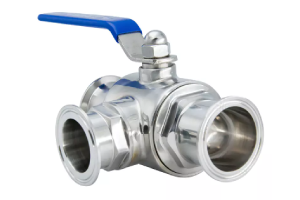
When you compare SS304 vs SS316L for sanitary valves, you'll find that SS316L is generally more suitable for challenging environments. SS316L is less prone to rust from harsh chemicals and chlorides compared to SS304. Although SS316L comes at a higher price, it tends to have a longer lifespan and contributes to maintaining the safety of your process. It's important to consider your specific process requirements, budget constraints, and cleanliness standards before making a choice between SS304 and SS316L.
Key Takeaways
SS316L does a better job fighting rust. This makes it great for tough places like chemical plants and the ocean.
SS304 costs less and works well for most food and drink jobs. But it might not last with strong chemicals or salt.
Think about what your process needs and where you will use it. This helps you pick between SS304 and SS316L for the best results.
Buying SS316L can help you save money over time. It lasts longer and needs less fixing in hard places.
Always look at the rules for your industry. This makes sure you follow them when picking materials for sanitary valves.
SS304 vs SS316L: Key Differences
When you compare ss304 vs ss316l, you find some big differences. These differences change how each one works in sanitary valves. It is important to know these things before you pick a material. Let’s look at the main points.
Chemical Composition Overview
The biggest difference between 304 and 316 stainless steel is what they are made of. SS304 has more carbon. SS316L has less carbon and also has molybdenum. This small change makes a big difference in how they work.
Stainless Steel Grade | Carbon Content (max) | Molybdenum (%) |
|---|
SS304 | 0.08% | N/A |
SS316L | 0.03% | 2-3% |
You can see that SS316L has less carbon and has molybdenum. Less carbon in SS316L helps stop rust at welds. Molybdenum makes SS316L stronger against harsh chemicals. That is why many companies use SS316L in tough places.
Corrosion Resistance Comparison
Corrosion resistance is very important for sanitary valves. When you compare ss304 vs ss316l, you see that SS316L does better in hard places. Molybdenum in SS316L helps stop rust and pitting. This is helpful when you use strong cleaners or deal with chlorides.
Stainless Steel Grade | Corrosion Resistance | Suitable Environments |
|---|
SS304 | Moderate | General use |
SS316L | High | Aggressive environments, including marine and chloride environments |
If you work with food, drinks, or medicine, you need high corrosion resistance. SS316L gives better protection. This means valves last longer and you do not need to replace them as much. For normal jobs, SS304 works fine, but it may not last as long in tough spots.
Mechanical Properties
You might think adding molybdenum or less carbon would change the steel’s strength. But ss304 vs ss316l have almost the same strength. Both types have the same yield and tensile strength most of the time.
Material | Yield Strength (ksi) | Tensile Strength (ksi) |
|---|
SS304 | 30 | 75 |
SS316L | 30 | 75 |
Material | Tensile Strength (Mpa) |
|---|
SS304 | 500-700 |
SS316L | 400-620 |
You can use either one for sanitary valves and not worry about strength. Both can handle pressure and stress well. If you need to weld, SS316L’s lower carbon helps stop weak spots at the welds.
Cost and Availability
Cost matters when you pick between ss304 vs ss316l. SS316L costs more because it has molybdenum and needs extra work to lower the carbon. Here are the average prices for 2024:
Stainless Steel Type | Average Price per Kilogram |
|---|
304 Stainless Steel | $3.31 – $5.51 |
316 Stainless Steel | $4.41 – $6.61 |
You pay more for SS316L, but you get better corrosion resistance and longer life in tough places. SS304 is easier to find and costs less. It works well for normal jobs where you do not use strong chemicals.
Tip: If you use strong cleaners or work near the ocean, SS316L is usually worth the extra money. For easier jobs, SS304 can help you save.
When you compare ss304 vs ss316l, the best choice depends on your needs. SS316L gives better corrosion resistance and is easier to weld. SS304 works well and costs less. Always pick the material that fits your job and where you will use it.
SS304 vs SS316: Corrosion Resistance in Sanitary Valves
Chloride Environments
Sanitary valves sometimes work in places with lots of chlorides. Chlorides can come from saltwater, cleaning products, or food. If you pick 304 stainless steel, it may rust and get pits over time. This happens because 304l stainless steel does not protect well against chlorides.
316 stainless steel is much better in these tough places. Molybdenum in 316 stainless steel helps stop pitting and crevice corrosion. You can count on 316 stainless steel to last longer near the ocean or with strong chemicals. Here are some reasons why 316 stainless steel is the best choice:
316 stainless steel stops pitting and corrosion better than 304l stainless steel.
316 stainless steel has stronger corrosion resistance because it has molybdenum.
You should use 316 stainless steel in coastal and saltwater places for best results.
Tip: If you use salt, acids, or strong cleaners, choose 316 stainless steel for your sanitary valves. You will have fewer problems and your valves will last longer.
General Process Applications
Sanitary valves are used in many jobs. These jobs include making food, drinks, and medicine. You need good corrosion resistance, but not always the highest level. 304l stainless steel works well for most normal uses. You can trust 304l stainless steel to handle mild chemicals and regular cleaning.
If you worry about crevice corrosion, you should think about 316 stainless steel. Molybdenum in 316 stainless steel gives it better resistance to crevice corrosion than 304l stainless steel. This makes 316 stainless steel a smarter choice when you need extra protection.
Application Type | Recommended Material | Reason |
|---|
High chloride exposure | 316 stainless steel | Best corrosion resistance |
General food processing | 304l stainless steel | Good corrosion resistance |
Strong chemical use | 316 stainless steel | Superior resistance |
You can use 304l stainless steel for most jobs. But you should pick 316 stainless steel if you need more corrosion resistance or work with strong chemicals.
Material Selection Guide for Sanitary Valves
Application and Industry Suitability
You need to pick the right material for your job. Every industry has different needs for sanitary valves. The right stainless steel helps you stay safe and clean. Look at the table below to see which material fits your industry best.
Industry | SS304 Applications | SS316L Applications |
|---|
Food and Beverage | Food processing applications | Food prep tables, sanitary piping and tanks, commercial dishwashers, walk-in cooler interiors |
Chemical Processing | N/A | Storage tanks, chemical dosing equipment, processing lines, piping and valves exposed to chlorides and acidic compounds |
Pharmaceutical and Medical | N/A | Surgical instruments, orthopedic implants, sterile prep tables, cleanroom-grade tubing |
You can see that 316l stainless steel is best for chemical, pharmaceutical, and medical jobs. It stands up to harsh chemicals and keeps things clean. SS304 is good for basic food processing. Always check if your industry has rules about which material to use. Many food and drug laws say you must use 316l stainless steel for the highest safety.
Tip: If you work with food, drinks, or medicine, picking the right stainless steel keeps your products safe and meets strict rules.
Environmental Factors
You should think about where you will use the sanitary valves. The place you use them changes how long they last. Temperature, humidity, and chemicals all matter when you choose a material.
SS304 is good indoors where there is little risk of rust. You can use it in kitchens and food machines.
316l stainless steel protects better in salty or acidic places. It works best in marine and chemical plants.
If you have lots of salt or strong chemicals, always pick 316l stainless steel. It stops rust and damage better than SS304.
Picking the right stainless steel for your environment helps you avoid trouble. Your valves last longer and need fewer repairs.
Cost Considerations
You need to think about cost and how well the material works. SS304 costs less than 316l stainless steel. You can save money if you do not need strong corrosion resistance. For easy jobs, SS304 is a smart choice.
If you work in tough places, 316l stainless steel is worth the higher price. It lasts longer and needs less fixing. You pay more at first, but you save money later. When you plan your budget, think about how often you want to buy new valves.
Here is a quick checklist for picking a material:
Check your industry’s rules for material choice.
Look at the chemicals and cleaners you use.
Think about the temperature and humidity.
Compare the price of SS304 and 316l stainless steel.
Plan for saving money over time, not just the first cost.
Maintenance and Longevity
You want your sanitary valves to last a long time. Most stainless steel pipes last 70 to 100 years. With good care, some 316l stainless steel pipes last even longer. You get the best results when you clean and check your valves often.
316l stainless steel needs less care in tough places. It fights rust and pitting better than SS304. If you want fewer repairs, 316l stainless steel is the best choice. For easy jobs, SS304 works well if you clean it often.
Note: Picking the right stainless steel and taking care of your valves helps you avoid expensive problems.
If you follow these steps, you make a smart choice for your sanitary valves. You protect your process, save money, and follow industry rules.
Sanitary Pipe and Tube Material Selection
Picking the right sanitary pipe and tube material is very important. Every industry needs safe, clean, and efficient pipes. Each industry has different needs for pipes and tubes. Let’s see what works best for food, medicine, and chemical plants.
Food and Beverage Industry
Food and drink factories need safe and easy-to-clean materials. Stainless steel is the most popular choice. It does not rust and keeps food and drinks pure. Here is a table that shows the most used materials and their features:
Material Type | Compliance | Description |
|---|
Stainless Steel AISI 304 | NSF 51 | High corrosion resistance, hygienic design, easy to clean. |
Stainless Steel AISI 316L | NSF 61 | Better corrosion resistance, good for food processing applications. |
FB70-PVC | NSF 51 | Used for non-heat shrinking tubing in food applications. |
FB85-PVC | NSF 61 | Safe for drinking water and treatment chemicals. |
You should know about some important rules. ISO 2037 is about stainless steel tubes for clean uses. 3A Sanitary Standards help make sure food and drink equipment is easy to clean. These rules help you pick the right sanitary pipe and tube material for your plant.
Pharmaceutical and Biotech
Medicine factories must use materials that follow strict rules. SS316L is the best choice for most medicine and biotech systems. It protects better against rust, especially from chlorides. This helps stop rust and keeps your process safe.
Reason | Explanation |
|---|
Corrosion Resistance | SS316L offers superior resistance to corrosion, especially against chlorides, compared to SS304. |
Compliance with Industry Standards | SS316L is preferred for ASME BPE compliance, reducing the risk of FDA audit issues. |
Long-term Cost-effectiveness | Although SS316L has a higher initial cost, its durability leads to lower maintenance costs over time, potentially saving up to 40% in maintenance. |
You can trust SS316L to meet ASME BPE and USP Class VI rules. These rules make sure your pipes are safe for medicine and biotech products. SS316L lasts longer and needs less fixing, so you save money over time.
Chemical Processing
Chemical plants use strong acids and harsh cleaners. You need pipes and tubes that can handle these tough jobs. SS316L is best for chemical plants because it fights rust and keeps your system working. You avoid leaks and shutdowns by picking the right material.
Tip: Always check the chemicals you use before picking a pipe material. SS316L is a safe bet for most chemical jobs.
When you match your pipe material to your job, you protect your products and equipment. Good choices help you follow the rules and keep your plant running well.
Pros and Cons Summary
SS304 Advantages and Drawbacks
You can use stainless steel 304 for many valves. It works well in food, drink, and light factory jobs. This material costs less and is easy to find. Stainless steel 304 does a good job fighting rust. That makes it a smart pick for sanitary valves. It is also easy to weld, so you can make strong joints. With the right tools, you can make the valve surface smooth and clean.
Stainless steel 304 fights rust well in sanitary valves.
It is easy to weld, so you get strong valve parts.
You can make the surface smooth, which helps cleaning.
But stainless steel 304 has some problems. It can get harder when you cut or shape it. This makes making valves tougher. You need stronger tools, and your tools may wear out faster. This can cost more money. In places with lots of chlorides, stainless steel 304 may not stop rust or pitting. If you work in chip factories or chemical plants, you may need better rust protection.
Stainless steel 304 can get pits and rust from chlorides.
It can get weak at some temperatures, which raises rust risk.
For tough jobs, you should look at other materials for your valve.
SS316L Advantages and Drawbacks
SS316L is very tough and fights rust well in valves. It is great for valves in the sea, chemical plants, or chip factories. Molybdenum in SS316L helps stop pitting and crevice rust. Its low carbon makes it easy to weld and keeps the valve strong after making it. SS316L lasts longer in hard places, so it is a top pick for chip and chemical plants.
SS316L stops rust from chlorides and acids, keeping valves safe.
Molybdenum helps stop pitting and crevice rust.
Low carbon lets you weld without losing strength.
But SS316L costs more than stainless steel 304. If you use valves in food, drink, or easy jobs, stainless steel 304 saves money. For valves in the sea, with chemicals, or with hot steam, SS316L is worth the extra cost.
Stainless Steel | Cost | Ideal Use Cases |
|---|
SS304 | Cheaper | Valves in food, beverage, and mild factory jobs |
SS316 | More expensive | Valves for seawater, chemicals, and hot steam |
Tip: Pick SS316L for valves in chip factories, the sea, or chemical plants. Use stainless steel 304 for valves in easier places.
If you need strong corrosion resistance, pick SS316L for sanitary valves. It is also best if you use harsh chemicals. SS304 is good for simple food and drink jobs. It works well when the environment is not too tough. Some jobs, like in the ocean or medicine, always need SS316L. Look at the material selection guide above to help you choose.
Tip: Always check your process and where you will use the valve before you decide. Picking the right one saves money and keeps your system safe.
FAQ
What is the main difference between SS304 and SS316L?
You see the biggest difference in corrosion resistance. SS316L contains molybdenum, which helps it resist harsh chemicals and salt. SS304 works well for basic jobs but does not protect as much in tough environments.
Can you use SS304 sanitary valves for food and beverage applications?
You can use SS304 for most food and beverage jobs. It meets hygiene standards and cleans easily. If you handle salty foods or strong cleaners, SS316L gives you better protection.
Why does SS316L cost more than SS304?
SS316L costs more because it has molybdenum and lower carbon. These features make it stronger against rust and easier to weld. You pay more upfront but get longer-lasting valves.
How do you choose between SS304 and SS316L?
Check your process, chemicals, and environment.
If you face strong acids or salt, pick SS316L.
For simple jobs, SS304 saves money and works well.
Does SS316L last longer than SS304?
You get longer life from SS316L in harsh conditions. It resists pitting and rust better than SS304. For mild environments, both types last many years with proper care.