The Kinetico K50 brine float valve is the float-controlled valve inside the brine tank. It turns on the shut-off for the brine refill cycle. This valve controls the water level used to make the brine solution. It also helps stop overflow in your water softener. You will learn what this valve is, how it works step by step, and what key parts it has. You will also see how it compares technically to other float valves. Basic maintenance tips round out the discussion. A working float valve keeps your softener regeneration efficient and protects the tank from too much water.
Key Takeaways
The K50 brine float valve keeps the water level in your softener's brine tank where it should be.
It stops overflow and keeps the brine strength steady so regeneration works well.
Move the float cup to set the right amount of refill water for each cycle.
Clean the brine well and float valve often to prevent clogs and salt bridges.
A float valve that works right protects your softener and keeps your softening reliable.
What the K50 brine float valve is
Definition and brine tank location
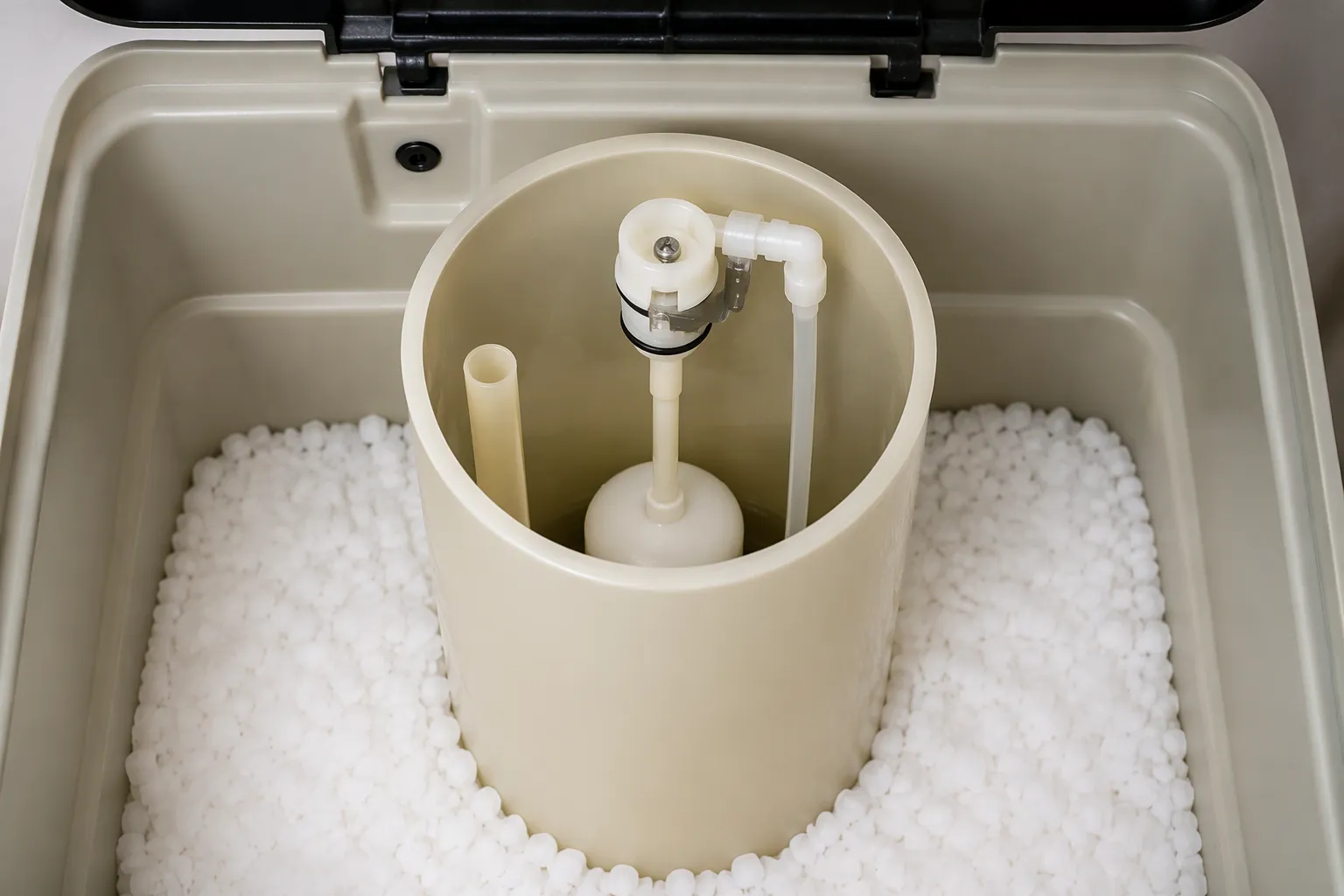
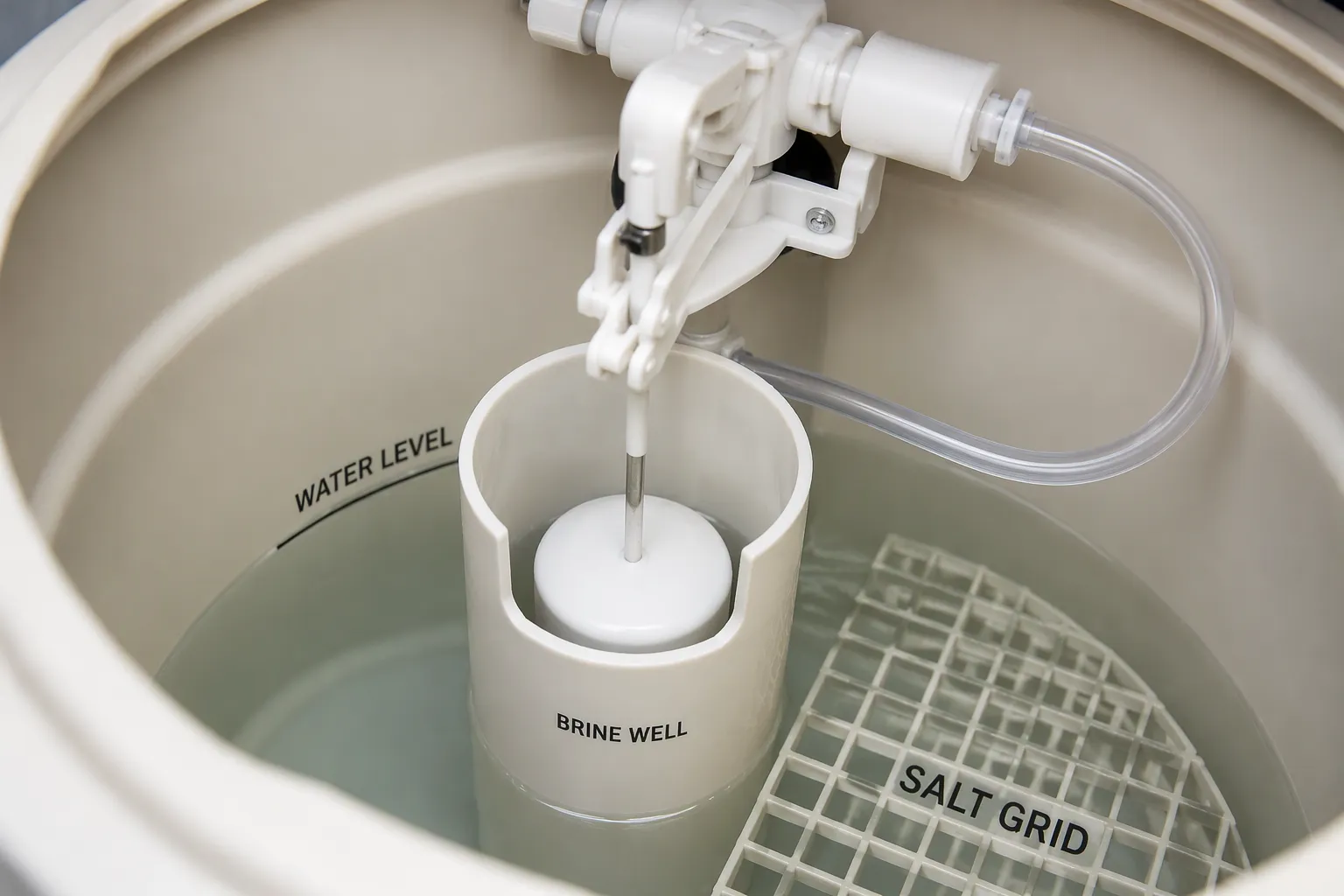
The K50 brine float valve is a float-controlled valve that sits inside the brine tank of a Kinetico water softener. It is part of the brine valve assembly, which is a key part for proper water softener operation. You will find it in the brine well, the narrow upright tube inside the salt tank. Open the lid you normally lift to add salt. The large compartment that holds the pellets is the salt tank. The smaller tube within it is the part to look for. Some manuals spell it brinewell.
Inside that tube, the float moves up and down a stem. It floats in the water and has no set point of its own. A stop at the top acts as a safety shut off in case the valve malfunctions. The position of this stop sits approximately 2.5" to 3" from the top of the stand tube. That placement gives the float room to rise before the safety shutoff engages.
Role in the water softener system
A water softener removes hardness minerals through ion exchange. Hard water enters the system and water passes through the resin. Small resin beads capture calcium and magnesium minerals, and sodium or potassium ions are released in their place. Over time, resin beads become full of hardness minerals and lose their softening power. Regeneration restores them.
During regeneration, the unit pulls a concentrated salt solution from the brine tank through the resin. This brine solution loosens hardness minerals attach to the beads, and calcium and magnesium off the resin beads rinse away. The resin beads are recharged and ready to reduce calcium and magnesium levels again.
The float valve supports this cycle in two ways. First, it limits how much water enters the tank, which helps prevent overfilling and keeps the salt-to-water ratio consistent for each cycle. Second, it acts as a safety shutoff. The float shuts off water flow into the tank if the water comes up too high, protecting your softener from overflow damage. Most units also use one-way flow. Water cannot enter the salt tank freely, but the valve opens for brine refill water later. A wet tank should hold a constant 6–10 inches of standing water at all times. That water dissolves the salt to create the brine solution needed during the regeneration cycle. A faulty float valve, clogged drain line, or malfunctioning brine valve often drives overfilling, and that disrupts the entire regeneration cycle of your water softening system.
How the brine float valve works
Operation during brine draw and refill
The float cup height sets how much softened water flows back into the brine drum after each cycle. You raise or lower the cup on its stem to change that refill volume. A higher cup lets more water in, and a lower cup lets less in. That refill water becomes the brine for regeneration, so the cup position directly shapes the strength of the next batch.
The Kinetico control valve decides when each tank is in service. The brine float valve handles a separate job. It regulates the water level used to create the brine solution, and it closes the inlet once the tank reaches its set level.
Here is the sequence you will see during a typical cycle:
Brine draw: the system pulls concentrated brine from the brine tank into the resin tank. Sodium ions swap places with the hardness minerals on the beads.
Air check close: the air check assembly at the bottom of the brine well shuts off the path. This step stops air from being drawn in.
Slow rinse: water keeps flowing at a reduced rate. It pushes the remaining brine through the resin bed.
Fast rinse: fresh water flushes the bed quickly and stabilizes the resin.
Brine refill: the float valve opens and meters fresh water back into the tank for the next batch.
Brine usually transfers within about 25% of the Brine Draw setting. A 60-minute setting, for example, moves the dissolved brine in roughly 15 minutes. The rest of that time is slow rinse.
Key components and how they interact
The brine well does two jobs. It houses the float valve that controls the refill water level inside the brine tank. It also guides the air check assembly, which signals the end of the brine draw cycle.
The float itself rides on the water surface. As the level drops during draw, the float falls with it. As refill water rises, the float climbs and pushes the valve closed at the set height. A mechanical valve in the assembly opens and closes during the draw and refill cycles. You can check its on/off action by disconnecting the brine line at the float assembly connection.
These parts work as one unit. The control valve starts the cycle, the float tracks the level, and the air check ends the draw. Together they keep brine strength steady across every regeneration. That steady strength is what keeps a water softener system reliable. Many water softeners lose efficiency when the float sticks or the refill level drifts. A clean, correctly set float valve protects the softener and keeps each cycle on track.
Performance and fit in a water softener system
Brine level control and overflow prevention
The float fill system gives you an easy safeguard. Water goes into the brine tank until it hits a set height. Then the valve stops the filling. This keeps the tank from overflowing and makes the water amount the same for each batch of brine.
One point needs to be clear. The brine valve and float only stop the brine tank from overflowing. It does not control the level in an exact way. It also has little to do with common lack of suction, except when the screen inside the bottom of the brine pick-up tube clogs. A safety backup float and check give you reliability and security. These parts close the paths to and from the tank. During a power outage, the main control valve can freeze in brine draw or brine refill mode. A backup float stops the overfill or the wasted brine that could otherwise reach the drain.
Comparison with other brine float valves
You can judge float valves on four points: technical performance, application fit, regulatory compliance, and cost. A basic float valve works for a simple water softener system with a single tank and steady water pressure. It costs less and does the main job of stopping overflow. A valve with a safety backup float and check fits water softeners that face power interruptions or shared plumbing. It adds protection at a higher price. A metered or adjustable float cup design fits a water softener system where you want to tune the refill volume for a specific salt dose. Each option has a place, and the right pick depends on your setup and budget.
A clean brine tank helps every option work better. Sediment and hardened salt block the float travel and clog the inlet. Regular cleaning stops clogs and makes the water softener last longer. Good softening depends on steady softened water volume, and a clean tank protects that flow through each regeneration cycle.
Maintenance for the water softener brine valve
Common issues and symptoms
A brine tank full of water is the clearest warning sign. Start a manual regeneration and watch the level. Within a few minutes, the water should begin to drop. If it stays high, the unit is adding water but not pulling it out. A broken vacuum at the brine line connection, a clogged injector screen, or a blocked drain line can each cause this. The level often climbs to the safety float within about two regenerations under these conditions.
Salt bridging is another frequent cause of trouble. Pellet salt at the bottom turns mushy, or solar salt clumps into one large crystal. Water then cannot dissolve the salt properly, so brine strength falls. Tap the salt surface gently with a broom handle. A hollow feel points to a bridge. Break it up and remove the mushy buildup before you add fresh salt.
Adjustments and service tips
Shut off the water supply to the tank first. Remove the float valve and disassemble it following the maker's guide. Scrub away dirt and sediment with a soft-bristled brush, rinse the parts with clean water, and dry them with a cloth. Reassemble the valve and check that every part seats correctly. In hard water areas, a descaling solution helps loosen mineral film.
To change the shut-off point, turn the screw on top of the float arm or slide the clip along the vertical rod. Clean the float arm and the area around it to clear mineral buildup. Inspect the float and its parts for corrosion, and replace anything that shows it. A little lubricant on the moving parts keeps travel smooth. These checks keep your water softener system reliable. Regular service on any of these water softener systems pays off, and clean water softeners last longer. A well-kept softener protects the brine float valve and holds brine strength steady.
The Kinetico K50 brine float valve is the float-controlled shut-off inside your water softener's brine tank. It checks the water level, opens to let refill water in, and closes to stop the flow. This keeps the brine strength and water level right for every cycle. A working float valve protects the softener and keeps regeneration running well. Over time, sediment and hardened salt can block the float's movement. Clean the brine well and make sure the float moves freely. Check the valve often and set the float cup the right way. These simple habits keep the valve working as it should.
FAQ
Where do you find the K50 brine float valve?
Look inside the brine well. This narrow upright tube sits within the salt tank. Lift the lid you use to add salt. The smaller tube inside the large salt compartment holds the float valve. The float rides up and down on a stem inside that tube.
How do you adjust the brine refill level?
You raise or lower the float cup on its stem. A higher cup lets more softened water back into the brine drum. A lower cup lets less in. That refill water becomes the brine for the next regeneration, so cup position shapes brine strength.
Why does the brine tank hold standing water?
A wet tank should hold a constant 6–10 inches of standing water. That water dissolves the salt and creates the brine solution. The float valve stops the fill at a set height. Standing water at the right level means the valve is working as intended.
What causes a brine tank to overfill?
A faulty float valve, a clogged drain line, or a malfunctioning brine valve often drives overfilling. The float should shut off the inlet once water reaches its set level. If water climbs to the safety float, check the valve and the drain path.
How do you clean a sticky float valve?
Shut off the water supply first. Remove the float valve and take it apart following the maker's guide. Scrub away dirt and sediment with a soft-bristled brush. Rinse with clean water and dry the parts. Reassemble and confirm every part seats correctly.