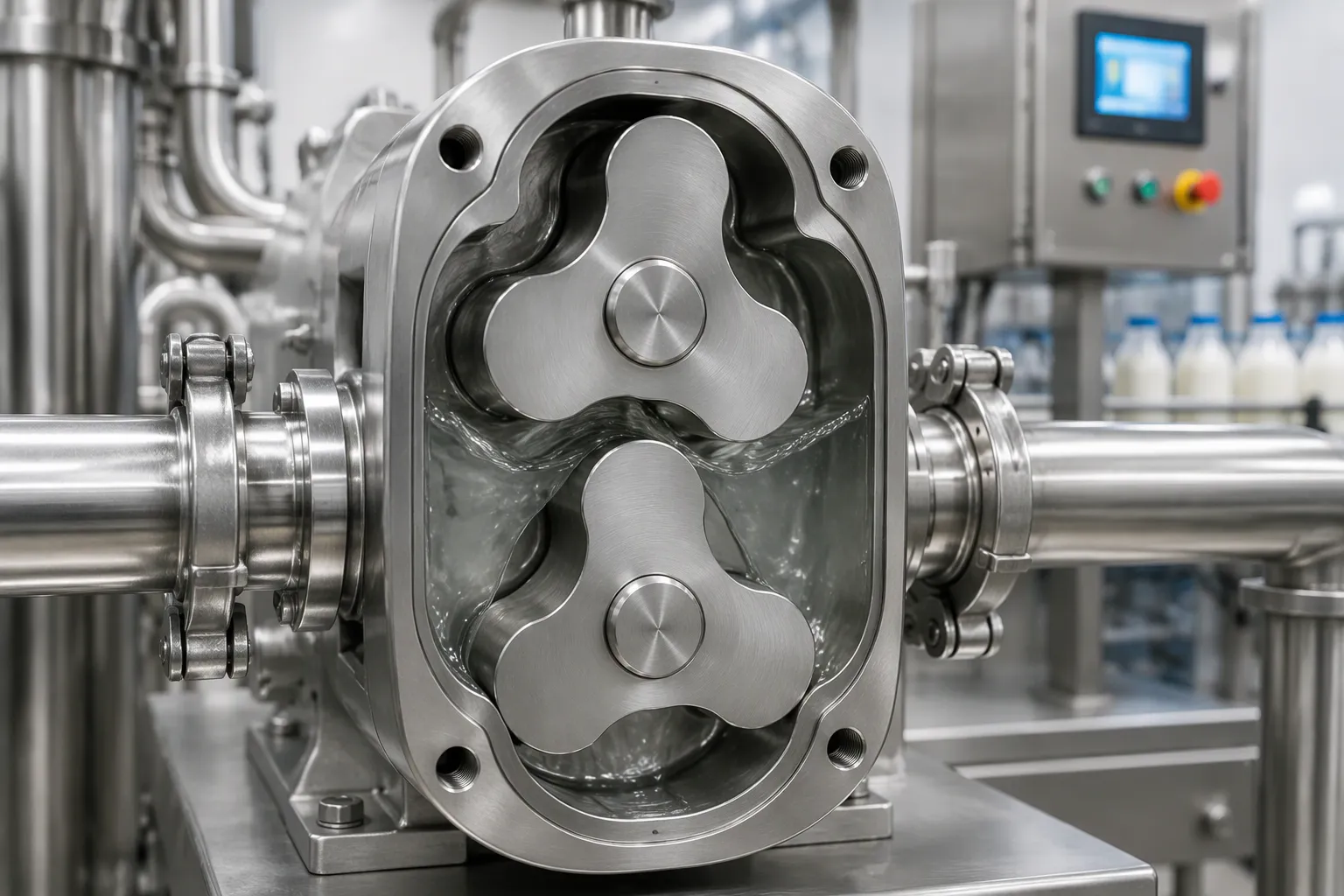
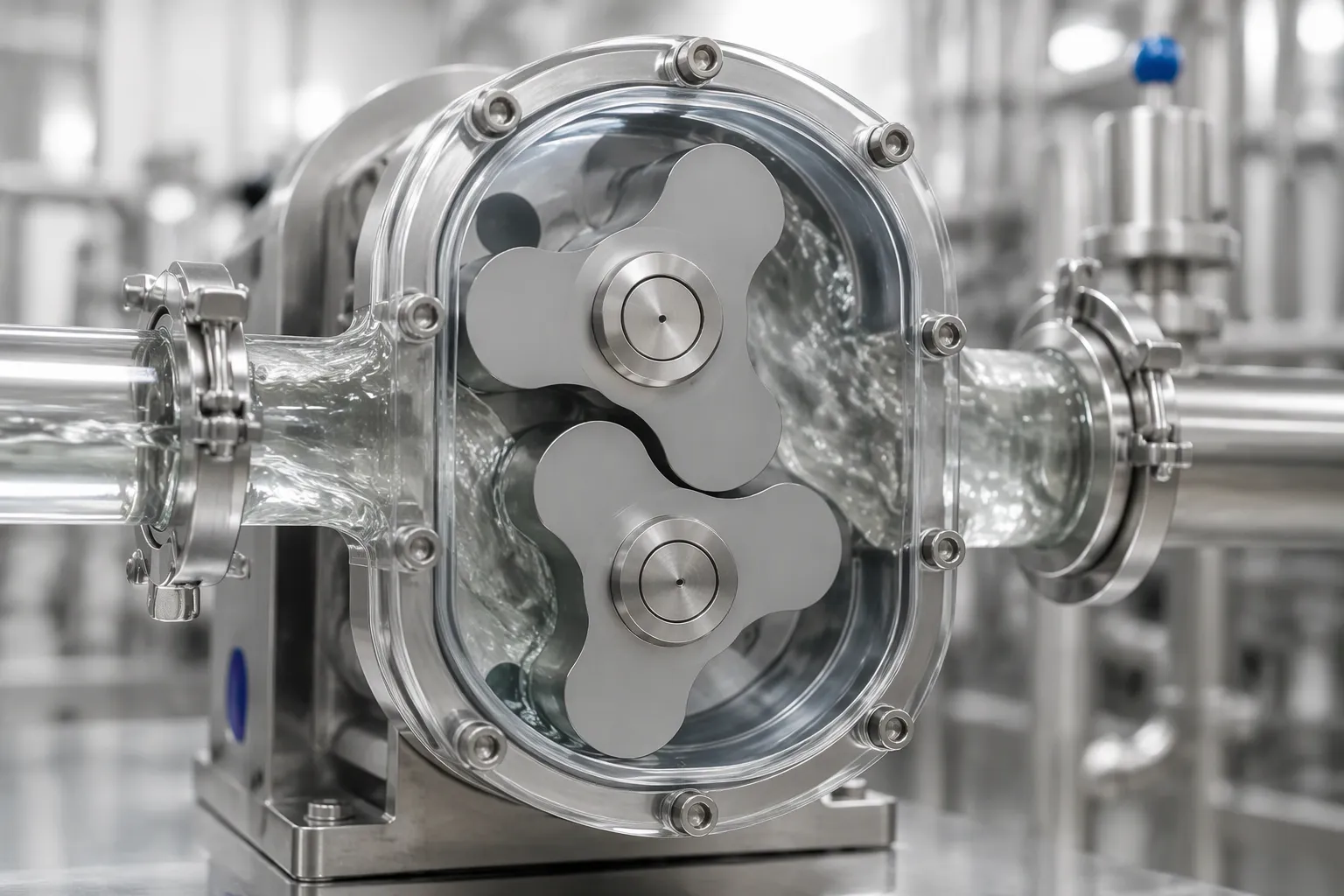
A sanitary positive displacement pump traps a set amount of liquid and pushes it through the system without contaminating the product. This design keeps every drop clean from intake to discharge. A centrifugal pump uses spinning force to create flow, but a positive displacement pump moves fluid at a steady rate no matter the pressure. Processors choose a sanitary pump when product integrity matters most. The sections ahead explain the working cycle, the wetted components, and the design features that make these pumps suitable for clean environments.
Key Takeaways
A sanitary positive displacement pump moves a fixed amount of liquid each time it runs. This design keeps the flow steady and protects the product from contamination.
These pumps move thick and thin fluids in a gentle way. They do not harm delicate ingredients like fruit pieces or cultures.
The pump has a smooth inside with no crevices, so it is easy to clean. This feature meets strict hygiene standards for food and drug production.
You must check seals and rotors on a regular basis. Replace them before they fail, so you can prevent leaks and contamination.
Pick the pump that fits your fluid and process needs. Think about viscosity, cleaning routine, and materials to get the best results.
What Is a Positive Displacement Pump?
Definition and Core Function
A positive displacement pump is a pump type made for high-hygiene jobs like food processing, pharmaceuticals, and biotechnology. These machines are used in sanitary processing equipment where product purity is a must. The design traps a fixed amount of fluid and forces it from the intake side to the discharge side with each cycle. This action is very different from a centrifugal pump, which uses spinning force to create flow. A positive displacement pump moves an exact amount of liquid at a steady rate, no matter how pressure changes in the system. Processors pick a sanitary pump when they need steady output and gentle product handling. The same idea applies to sanitary pumps used in dairies, breweries, and biotech labs. Each unit in a line of sanitary process equipment must keep the product from contamination, and this pump type meets that need through its enclosed, crevice-free design.
Displacement Explained
The term displacement describes a simple idea: the pump captures a set volume of liquid and physically pushes it forward. Each cycle traps separate volumes of fluid and moves them to the outlet. The pump repeats this action nonstop, and the repeated trapping creates steady flow. Rotary positive displacement pumps use rotating parts, such as lobes or gears, to trap and move the product. Lobe pumps, a common rotary style, have two counter-rotating rotors that create cavities for the fluid. These hygienic pumps handle a wide viscosity range, from thin liquids to thick slurries, without harming shear-sensitive ingredients. A rotary design also supports gentle handling because the product moves through open spaces rather than tight clearances. Many hygienic pump designs need fluid for lubrication and cooling, so long dry running can cause damage. Short dry runs may be possible on some models, but operators should check the limit with the manufacturer. The displacement principle explains why these pumps hold a steady rate against varying discharge pressure. A centrifugal pump would lose output as pressure rises, but a positive displacement unit keeps moving the same volume per cycle. This predictability makes the pump easy to meter and control in a sanitary line.
Working Principles of Positive Displacement Pumps
Step-by-Step Action
The working principles of positive displacement pumps follow a repeating cycle. This cycle moves a set amount of product with each turn. The process unfolds in clear stages:
Fluid enters the intake side of the pump. A rotating mechanism creates expanding cavities. These cavities draw fluid into the pump from the supply line.
The pump encloses a fixed volume of liquid in sealed cavities. These trapped pockets hold the product away from the surrounding environment.
The mechanism pushes the enclosed volume to the discharge side. Mechanical action forces the fluid out through the outlet port.
The cycle repeats. Each rotation traps new fluid and moves it from suction to the discharge port without interruption.
This repeated enclosing action creates flow. The pump has two distinct sides: the intake, where product enters, and the discharge, where product exits. A rotary design uses counter-rotating lobes or gears to form the cavities. The displacement of each pocket stays constant. So the pump delivers a consistent, precise flow rate regardless of changes in system pressure. A positive displacement pump does not rely on centrifugal force. Instead, it moves product through mechanical capture and release. This difference explains why the pump holds steady output even when downstream pressure rises. The displacement action also allows the pump to handle high viscosity fluids. A centrifugal unit would stall on these fluids. Each cycle moves the same volume, so operators can meter ingredients with confidence.
Low-Shear Handling
Product integrity drives the choice of a positive displacement pump in many sanitary lines. The gentle, low-shear action protects shear-sensitive ingredients like fruit pieces, cultures, and proteins. Fluid moves through open spaces rather than tight clearances. So the product experiences minimal mechanical stress. This gentle handling suits a wide viscosity range, from thin liquids to thick slurries. Fluid viscosity does not change the pump's basic cycle. The unit simply fills its cavities and moves the product forward. A hygienic design also supports clean operation across this range.
Many positive displacement pumps need fluid for lubrication and cooling. Extended dry running can damage the pump. So operators should confirm dry-run limits with the manufacturer before running the unit without product.
Short dry runs may be possible on some models. The rotary lobes in many designs rely on the product itself to reduce friction between moving parts. Without that fluid film, heat builds up and clearances can wear. A positive displacement pump therefore performs best when product flows steadily through the intake. Operators who respect this requirement extend pump life and maintain consistent, precise flow. The combination of gentle handling and wide viscosity tolerance makes these pumps a practical fit for dairy, beverage, pharmaceutical, and biotech production. Each cycle protects the product while moving it reliably from suction to the discharge port.
Key Components of Positive Displacement Pumps
Wetted Parts
Wetted parts touch the product directly, so their design decides product safety. A sanitary positive displacement pump has smooth, crevice-free insides. These smooth surfaces leave no place for bacteria to settle. The metal fights corrosion and stops bacterial growth. Stainless steel is a common pick for these contact surfaces. Every wetted part in sanitary processing equipment must handle repeated cleaning and inspection. A rough weld or a hidden gap can trap residue and ruin the next batch. Manufacturers polish the inside to a smooth finish and remove sharp corners. These steps keep the flow path clean and easy to check.
The pumping element sits at the heart of the wetted path. This part catches the fluid and pushes it forward. In lobe pumps, two rotors form the pumping element. The product moves through open spaces with very little stress. A rotary design keeps the motion smooth and the shear low. These features make the pump a dependable choice for delicate ingredients.
Seals and Rotors
Seals keep the product inside the pump and keep the outside environment out. A shaft seal guards the spot where the drive shaft enters the pump body. A failed seal lets product leak out and lets contaminants slip in. Hygienic pumps use seal designs that clean easily and resist wear. Operators check seals on a regular schedule and replace them before they fail.
Rotors move the fluid through the pump. Two counter-rotating rotors create the cavities that trap and carry the product. The drive assembly supplies the power. A motor turns the shaft, and the shaft turns the rotors. A gearbox may adjust speed to match the process. Each part works together to deliver steady, gentle flow. Buyers who compare sanitary pumps should check seal type, rotor material, and drive setup against their fluid and cleaning needs. These choices shape both pump life and product quality.
Why Hygienic Applications Choose It
Cleanability and Compliance
Cleanability is what makes hygienic pumps different from general-purpose designs. A sanitary positive displacement pump opens up for easy inspection. Its smooth, crevice-free inside lets cleaners reach every surface that touches the product. Operators can flush the line, check the wetted parts, and put the unit back to work without taking apart the whole assembly. This routine helps meet sanitary standards that rule food and beverage production and pharmaceutical manufacturing. Hygienic pumps also keep their performance through repeated cleaning cycles, so product safety does not fade over time.
Design details support this advantage. Smooth finishes resist residue buildup, and the lack of hidden gaps removes spots where bacteria could grow. A processor who writes down cleaning steps finds the pump easy to validate. The same features support precision fluid transfer, because a clean flow path keeps the product free of foreign matter.
Common Industries
Dairy, beverage, pharmaceutical, and biotech plants depend on this pump type wherever contamination must be avoided. These industries handle delicate ingredients, and the gentle action of positive displacement pumps protects product structure. Lobe pumps fit dairy lines that move thick cream or yogurt. A rotary design handles a wide viscosity range, from thin liquid to dense slurry, without harming the product. Each of these sectors also demands reliable sanitary process equipment, and this pump meets that bar.
Practical limits deserve an honest look. The discharge comes in pulses rather than a smooth stream, so some processes need a dampener. Maintenance demands attention, since seals and rotors wear and need scheduled replacement. Running the pump against a closed discharge valve can damage it, so operators should fit a relief device. Buyers who weigh these points against their fluid and process needs will choose a sanitary pump with confidence.
A sanitary positive displacement pump takes in a set amount of liquid and pushes it forward with each cycle. This trap-and-move action gives steady flow without harming the product. Three traits make the design fit sanitary use: gentle, low-shear handling, easy cleaning and inspection, and meeting hygiene standards. A rotary style adds smooth, precise transfer to that list. Buyers should match the pump to their fluid and process needs. Check viscosity, cleaning routine, and seal and rotor materials before choosing a sanitary pump for a line of sanitary processing equipment. That match protects product quality and extends pump life.
FAQ
What makes a pump sanitary?
A sanitary pump has smooth, crevice-free wetted parts that fight corrosion and stop bacteria from growing. Stainless steel contact surfaces and polished insides leave no place for residue to collect. These features let operators clean and inspect the flow path easily, which keeps product purity intact.
Do positive displacement pumps handle thick fluids?
Yes. These pumps trap a fixed volume and push it forward, so viscosity does not change the basic cycle. They move thin liquids and dense slurries with equal reliability. A centrifugal unit would struggle with thick product, but a positive displacement design keeps steady output.
Can these pumps run dry?
Many designs need fluid for lubrication and cooling, so extended dry running can damage seals and rotors. Short dry runs may be possible on some models. Operators should confirm the limit with the manufacturer before running a unit without product.
How often do seals and rotors need replacement?
Wear depends on the fluid, cleaning routine, and operating conditions. Operators should check seals and rotors on a regular schedule and replace them before failure. A worn seal lets product leak out and contaminants slip in, so routine inspection protects both product and pump.
Why do hygienic pumps suit food and drug production?
Hygienic pumps open for easy inspection and meet the sanitary standards that rule food, beverage, and pharmaceutical lines. Their gentle, low-shear action protects delicate ingredients. Buyers should match seal and rotor materials to the fluid and cleaning needs of their sanitary processing equipment.