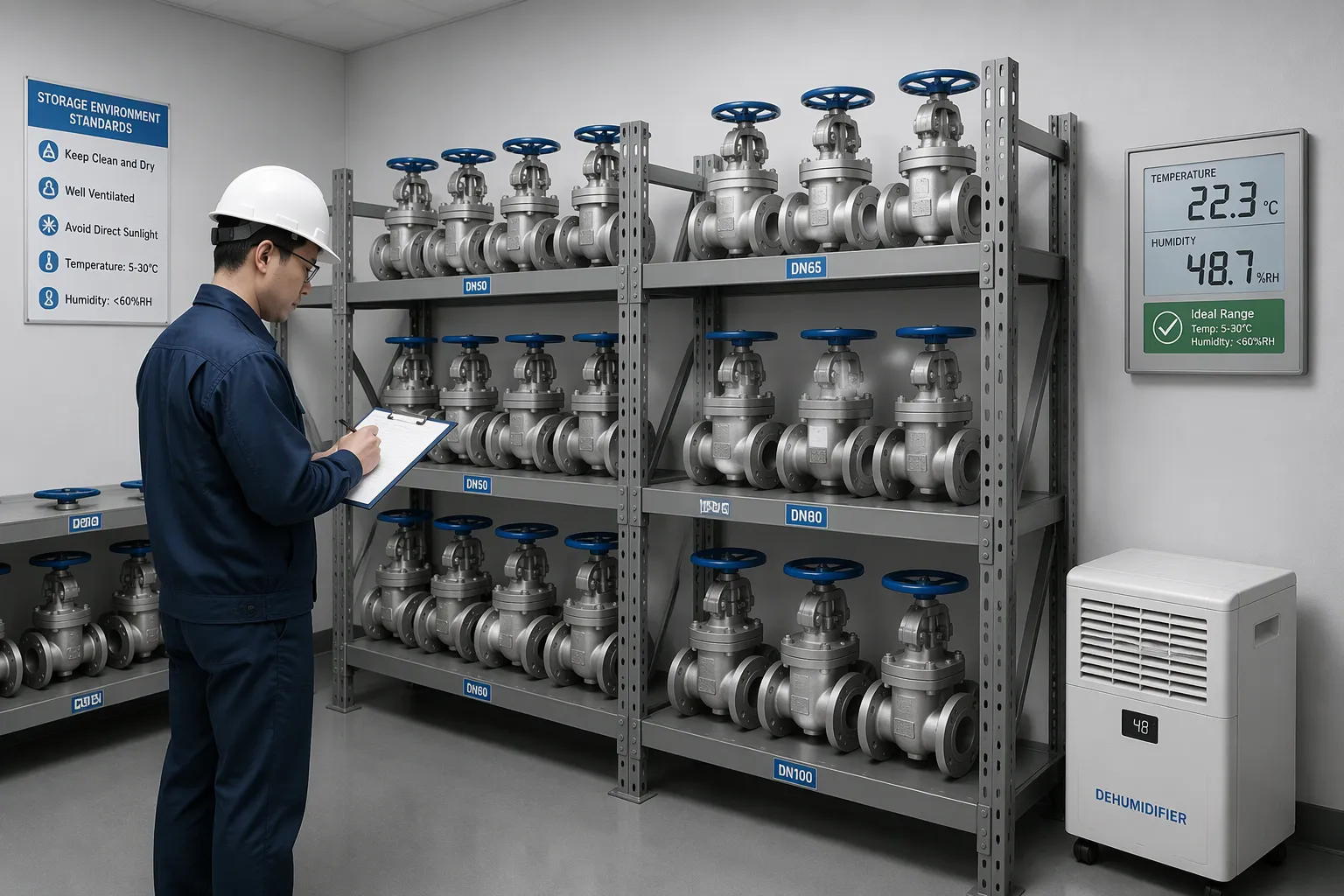
You properly store and maintain backup gate valves by controlling the storage climate, preparing and positioning each valve with care, and inspecting and lubricating on a set schedule. Documentation closes the loop for long-term stock.
Start with the room itself. Heat, moisture, dust, and sunlight all attack a gate valve long before it enters service. Next comes preparation: clean and dry every valve, protect the sealing faces, and stand it upright off the floor. From there, a routine of inspection, lubrication, and seal checks keeps each unit ready to install.
Follow these steps, and your stored gate valves will reward you with reliable performance when you need them most.
Clean the valves and dry them well. Then stand them upright before you store them.
Check, oil, and open and close the valves on a regular schedule.
Record inspections in writing and rotate stock first-in, first-out.
Don't make common mistakes, like storing them outside or placing them on their side.
Set Up the Right Storage Environment
The room you pick decides what happens to every valve you put in it. A dry area with steady temperature protects the metal, the seals, and the inside parts from damage. That damage may not show up until installation day. You cannot fix years of poor storage with a quick wipe-down before shipping. Start with the space itself, and the rest of your maintenance routine will have a solid base.
Control Temperature and Humidity
Keep your storage space between -10°C and 30°C. Hold relative humidity below 60 percent. These two numbers do most of the work in protecting your backup gate valves. When the room swings hot and cold, moisture forms on cold metal surfaces. That moisture cycle repeats with every temperature change. Water sits on the sealing faces, and rust begins. Thermal cycling also works on the seals themselves. Rubber and elastomer parts expand and shrink with each shift. Over time, this movement causes cracking and loss of stretch. A steady climate stops both problems before they start.
You should also keep valves away from chemicals, salt, and acidic fumes. These substances attack the metal body and trim even at moderate humidity. A storage room near a saltwater dock or a chemical processing line needs extra separation or filtration. Check the room with a hygrometer and a thermometer regularly. Record the readings so you can spot trends. If humidity climbs above the limit, add a dehumidifier. If summer heat pushes past 30°C, improve ventilation or add cooling. Small fixes now prevent expensive replacements later.
Keep the Area Clean and Ventilated
Choose an indoor facility that stays dry, shaded, and well-ventilated. Direct sunlight heats metal surfaces and breaks down seals. Rain and dusty conditions bring in moisture and grit that settle into the valve cavity. A clean, dry, and well-ventilated area keeps airborne particles from collecting on lubricated surfaces and seating faces. Dust mixed with grease forms an abrasive paste. That paste wears down the gate and seat rings every time someone operates the valve.
Ventilation does more than move air. It evens out temperature across the room and reduces localized condensation on cold spots. Position shelving away from walls and leave gaps between stored items. Air must circulate around each valve. Do not block vents or windows with stacked inventory. Keep the floor swept and free of standing water. Inspect the ceiling for leaks after heavy rain. A simple monthly walkthrough catches water stains, pest activity, and dust buildup before they reach your stock.
Proper storage begins with these environmental controls. Get the climate right, and you protect every gate valve in your inventory from the slow damage that ruins readiness.
Prepare Backup Gate Valves for Storage
A clean valve stores well. A dirty valve fails early. Preparation takes an hour and saves months of trouble. You need to clean and prepare before storage, and you need to position each unit correctly.
Clean and Dry Each Valve
Start with the valve body. Wipe away dust, grit, and oil with a soft cloth. Use a mild cleaning agent on stubborn spots. Avoid harsh solvents that attack rubber seals. Flush the internal cavity with clean water if debris has collected inside. Then dry every surface completely. Trapped moisture causes rust during storage. Compressed air helps reach internal passages. Let the valve air-dry in a warm, dry room before you move it to the storage area.
Protect Exposed Surfaces
Coat the sealing faces and exposed metal with a thin film of protective grease. This barrier keeps moisture and dust away from critical surfaces. Cover the flange openings with plastic caps or tape. This step keeps dirt out of the valve bore. Store gate valves upright with the handwheel pointing up. Never lay a valve on its side. Side storage puts stress on the gate and seat rings. Keep each unit off the ground on a pallet or shelf. Ground-level storage invites moisture, pests, and accidental kicks. Properly store backup gate valves this way, and you protect the seating surfaces from warping and contamination.
Storing and handling gate valves with care pays off at installation. A clean, dry, upright valve installs fast and seals tight. You properly store and maintain backup gate valves when you follow these preparation steps. This routine also helps you properly store and maintain every gate valve in your stock. Treat each backup gate valve as a ready-to-install part, and it will perform like one.
Store and Maintain Backup Gate Valves on a Schedule
A valve that sits untouched for a year can still fail on installation day. Time by itself does not harm stored equipment. Neglect does. A written schedule turns storage from a passive wait into active care. You properly store and maintain backup gate valves when every unit gets attention on a fixed rhythm.
Inspect and Lubricate Regularly
Set a monthly inspection interval for active stock and a quarterly interval for long-term stock. Walk the storage area with a checklist. Look for rust spots, dust buildup, and moisture on the valve body. Check the handwheel for cracks and the stem for bending. Record each finding with the date and the valve tag number.
Lubrication comes after inspection. Apply grease to the stem threads, the packing gland, and the gate guide surfaces. These three points carry the most friction during operation. Use a lubricant rated for your storage temperature range. Wipe away old grease first. Fresh grease over grit traps abrasive particles against the stem. A light coat on exposed machined surfaces helps prevent rust during storage.
Regular inspections catch small problems early. A speck of rust on the stem becomes pitting within months. Pitting then tears the packing every time the valve cycles. Monthly checks cost minutes. Replacing a scored stem costs far more.
Operate and Check Seals
Exercise every stored valve on the same schedule as your inspection. Turn the handwheel through a full open-and-close cycle. This movement keeps the stem threads coated and stops the gate from seizing in the body guides. A valve that never moves can lock in place. Partial cycling also spreads lubricant across the seating surfaces.
Seal care deserves its own pass. Inspect the packing and the body gasket for hardening, cracking, or shrinkage. Squeeze the packing gently. It should feel pliable, not brittle. Plan to inspect and replace seals that show surface cracks or lose their rebound. Keep a small stock of replacement packing rings matched to each valve size. This habit supports the maintenance of backup gate valves without a rush order.
Consistent gate valve maintenance prevents corrosion and preserves operational efficiency. A valve with soft, intact seals and clean seating faces opens smoothly and shuts bubble-tight. Follow these maintenance tips for backup gate valves, and your stock stays ready. Periodic maintenance on a calendar beats repair work on a deadline. Good gate valve maintenance also protects your budget. You maintain backup gate valves for readiness, and readiness is the whole point of keeping spares. Store and maintain backup gate valves with this routine, and every unit earns its place on the shelf.
Storing Backup Gate Valves: Long-Term Tips and Mistakes
Document and Rotate Stock
Paper trails protect your inventory. Give every valve a tag with a unique ID, the receipt date, and the last inspection date. Log each inspection, lubrication, and cycling event in a shared record. Note the findings in plain words: light rust on stem, packing still pliable, handwheel turns freely. A written history tells you which units need attention first. It also shows auditors and installers that the valve left storage in known condition.
Rotate stock on a first-in, first-out basis. The oldest unit ships first. This rule keeps any single valve from sitting untouched for years. Review the log each quarter and flag units that have passed a full year in storage. Move them to the front of the picking line. A simple rotation schedule is one of the core storage best practices for any spare parts room.
Avoid Common Mistakes
Most storage failures trace back to a few repeated errors. Watch for these in your own facility:
Storing valves outdoors or under open shelters, where rain, sun, and dust reach the seals.
Laying valves on their side, which stresses the gate and seat rings.
Ignoring humidity limits, letting condensation form on cold metal.
Skipping the inspection calendar until installation day arrives.
Each mistake is easy to fix once you name it. Move outdoor stock inside. Stand every unit upright on a shelf or pallet. Check the hygrometer weekly. Keep the inspection log current.
Good backup gate valve storage methods share one theme: steady, documented care. Follow a clear long-term storage protocol, and your gate valves stay ready for service. Apply these habits to your own stock this week.
Good storage and care pay you back in three ways. They stop rust before it starts, keep each valve working well for years, and make installation go smoothly. A steady climate, careful prep, upright placement, scheduled checks, regular greasing, and clear records do all of that work.
You now know how to properly store and maintain backup gate valves. Start this routine on your own stock this week. Walk through your storage room, check the humidity, and stand every gate valve upright. Small habits today give you reliable backup gate valves tomorrow. Treat each gate valve in your inventory as a ready-to-install part, and you will properly store and maintain backup gate valves for the long haul.
FAQ
How often should you inspect stored gate valves?
Check active stock every month and long-term stock every quarter. Add lubrication and a full open-and-close cycle to each inspection visit. Record every finding with the date and the valve tag number.
What temperature and humidity should a storage room hold?
Keep the room between -10°C and 30°C with relative humidity below 60 percent. These limits stop condensation cycles and protect the seals from thermal stress. Check the readings weekly with a hygrometer and a thermometer.
Can you store a gate valve on its side?
No. Always stand the valve upright with the handwheel pointing up. Side storage puts stress on the gate and seat rings. Keep each unit off the ground on a pallet or shelf.
Why do stored valves need regular lubrication?
Grease on the stem threads, packing gland, and gate guides keeps parts moving freely. Old grease traps grit, so wipe it away before you apply a fresh coat. Regular care keeps backup gate valves ready for installation.
What is the first-in, first-out rule for valve stock?
Ship the oldest unit first. Review your log each quarter and flag any valve that has passed a full year in storage. This rotation keeps gate valves from sitting untouched for years.