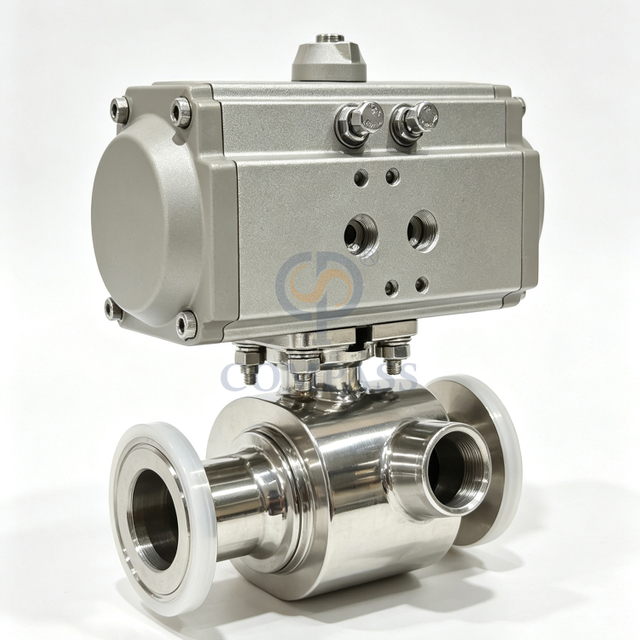
The ten factories in this ranking are [Factory A], [Factory B], [Factory C], [Factory D], [Factory E], [Factory F], [Factory G], [Factory H], [Factory I], and [Factory J]. Readers get the short answer first, then the details.
Four criteria decide the order:
Technical performance: pressure ratings, temperature ranges, and sealing quality under load.
Application fit: how well each bronze ball valves line suits fuel transfer, cooling systems, and oil and gas duty.
Regulatory compliance: verified API 6D certification and fire-safe documentation.
Cost: price positioning against the performance each factory delivers.
This ranking covers bronze API 6D ball valves built for marine service. The "How Ball Valves Adapted" section later explains the material and design choices behind these scores.
Key Takeaways
Pick a factory by looking at its pressure ratings, temperature range, sealing quality, and API 6D certification.
Factory A is the best overall choice because it has a wide rating range and a seal that lasts a long time.
Factory B is the top choice for oil and gas work, with the highest pressure and temperature ratings.
Factory C is the best choice for marine use, thanks to its balanced design and low pressure drop.
Pick a factory that fits your project's fluid, how often it runs, and its risk level before you set a budget.
How Ball Valves Adapted: Adaptation to Marine Conditions
Corrosion-Resistant Materials
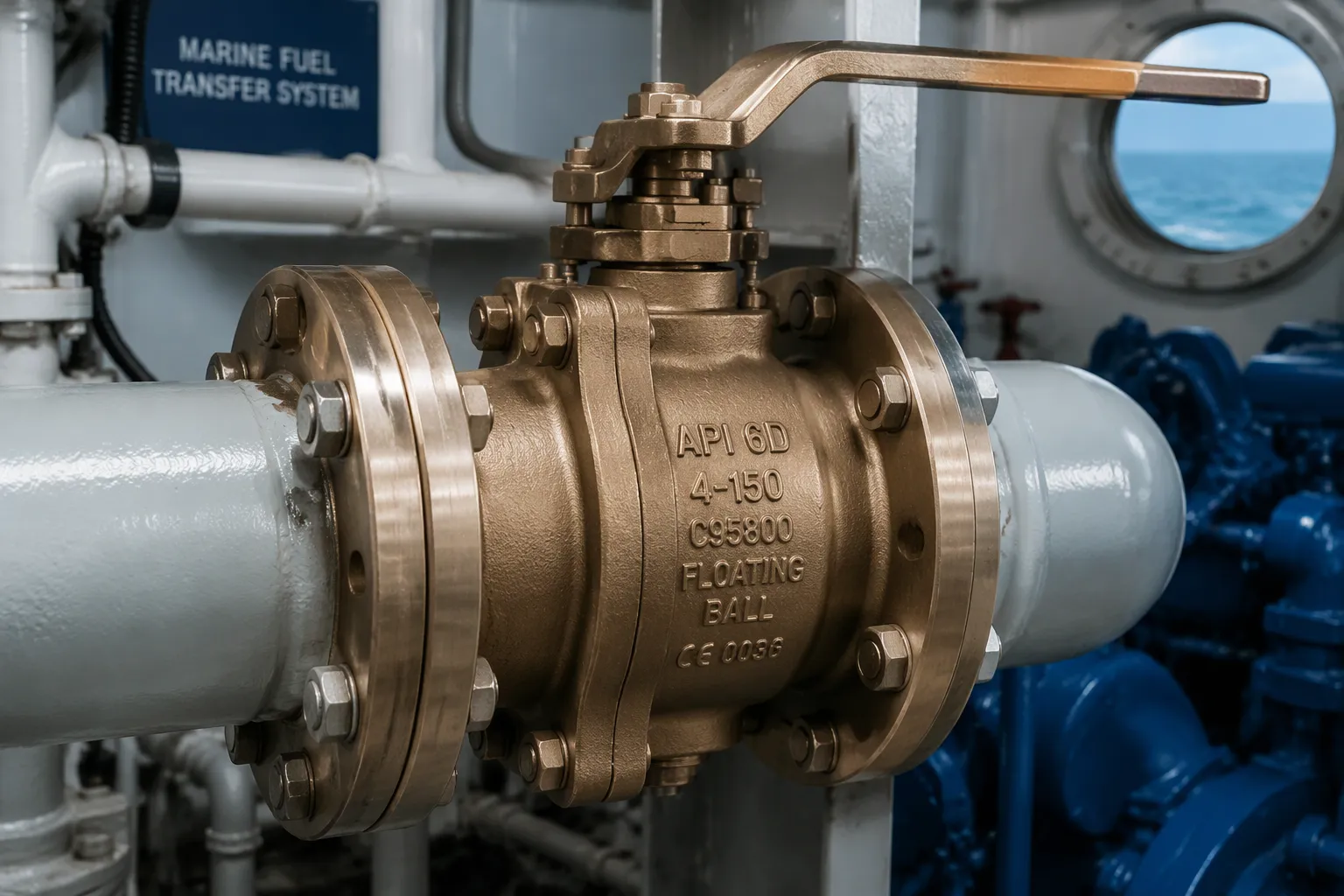
The story of how ball valves adapted starts with the material you pick. Bronze fights seawater corrosion well because copper alloys build a protective layer on the surface in salt water. Brass acts in a similar way and costs less, but it works better for lower-pressure jobs. Stainless steel gives high strength and resists many chemicals, yet it can pit in still seawater that has low oxygen. Every option has a place, and no single one wins everywhere.
These corrosion-resistant materials matter most in marine environments, where salty and humid air attacks ordinary metals. Saltwater's harmful effects reach every wetted part, so the body, ball, and stem must all resist the attack. Bronze handles this job in seawater systems, fuel lines, and cooling loops. Stainless steel stands out in high-pressure and chemical service. This is the heart of adaptation to marine conditions: match the alloy to the fluid, not to a catalog page.
Quarter-Turn Operation and Sealing
How ball valves adapted to shipboard systems also shows in how they work. A quarter turn moves the ball from open to closed, which gives quick shutoff capabilities and fast, reliable operation in an emergency. The floating ball design pushes the ball against the downstream seat under line pressure, and that action makes a tight seal when closed. Flow goes straight through the open bore, so pressure drop stays minimal.
Fire-safe designs add a metal-to-metal backup seat, and that feature supports a reliable shutoff if the soft seat burns away. Replaceable seats and seals extend service life and make repair on marine vessels simpler. Buyers should note that how ball valves adapted changes by model. How ball valves adapted to harsh marine conditions depends on fluid, concentration, temperature, flow, and duty cycle. A tight seal in one job may fail in another. How ball valves adapted across product lines reflects these trade-offs, and how ball valves adapted for enhanced sealing performance shows in the seat design. Users who weigh these factors gain tight sealing and long service in marine systems.
Ranking Criteria for Marine Applications
Technical Performance and Fit
The scoring for technical performance begins with pressure ratings and temperature ranges. A factory earns higher marks when its bronze ball valves keep their rated pressure across the whole working temperature span. Sealing quality under load also counts. Testers check for tight shutoff after repeated cycling, because a valve that leaks after a few hundred turns fails the marine duty test.
Application fit carries equal weight. Each factory line gets scored against four duty types: marine service, fuel transfer lines, cooling systems, and oil and gas. A valve built for fuel transfer needs strong resistance to hydrocarbon attack. A cooling system valve needs steady flow with very little pressure drop. Oil and gas duty demands the highest temperature and pressure resistance. Factories that cover several duty types with one proven design score well. Specialists that excel in a single duty also earn credit for that niche.
Compliance and Cost
API 6D certification is the first gate. A factory must show a valid certificate and fire-safe documentation before it enters the ranking. Compliance with API 6D proves the design meets recognized requirements for pipeline valves. Factories without verifiable paperwork drop out, no matter how good the price looks.
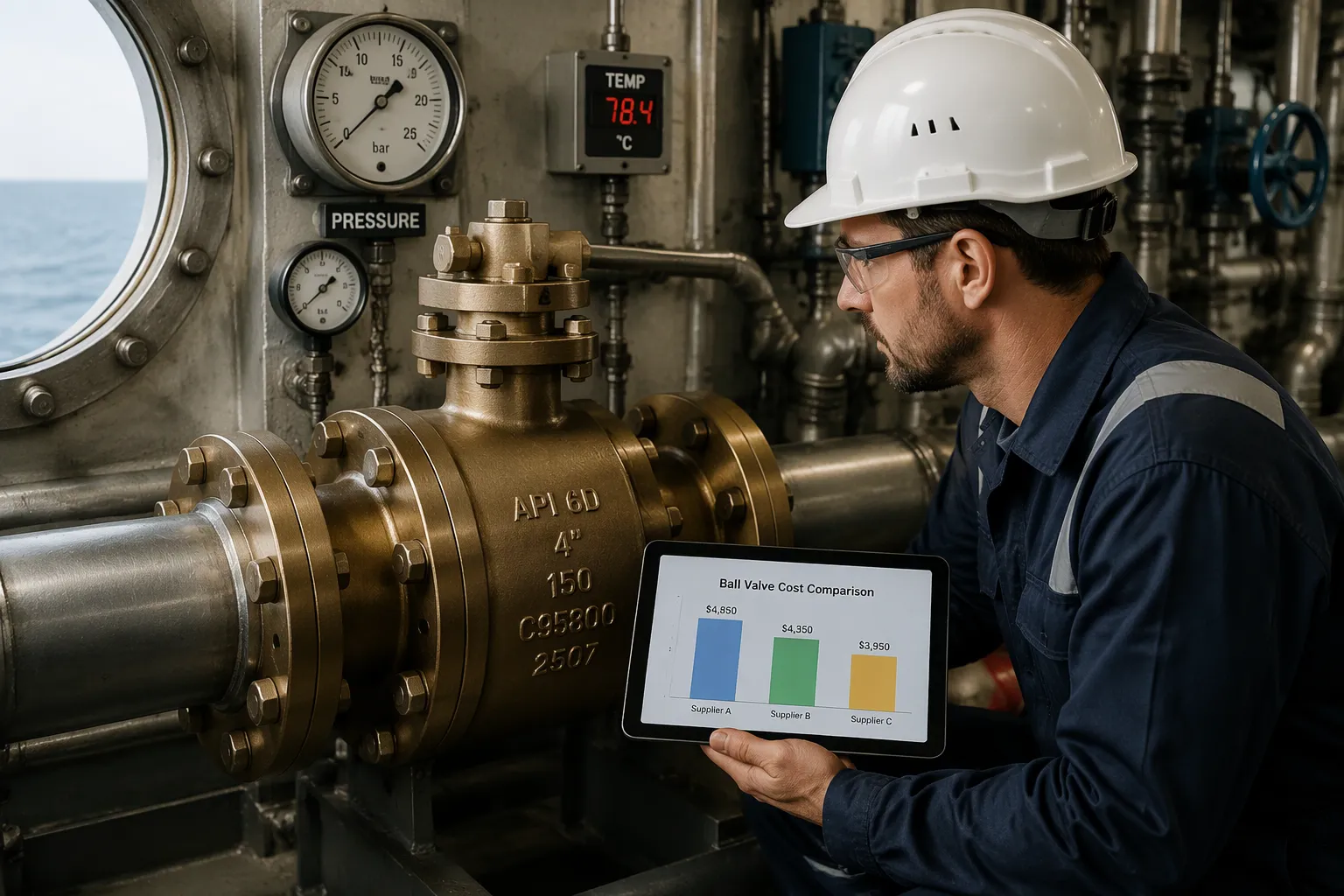
Cost enters the score as price positioning, not as the lowest number. Reviewers compare each factory's price band against the performance it delivers. A mid-priced valve with full certification and strong sealing scores better than a cheap valve with thin documentation. This approach keeps the ranking fair for marine applications, where a failed valve can stop a vessel. Buyers in marine environments pay for reliability, and the cost score reflects that reality. The same logic applies across all ball valves in the review, so every factory faces the same yardstick.
Top 10 Bronze API 6D Ball Valve Factories
Leading Factory Profiles
[Factory A] makes bronze ball valves that hold strong pressure across a wide temperature range. Its floating ball design keeps a tight seal even after heavy cycling. This line works well for fuel transfer and cooling systems on ships. API 6D certification and fire-safe paperwork are up to date. The cost is in the upper-middle range, and buyers pay for proven reliability in marine use.
[Factory B] focuses on oil and gas duty. Its valves have high pressure ratings and resist high temperatures. Sealing quality stays steady under load. The factory has verified API 6D documents. Pricing is high, and the fit is strongest where pressure and temperature demands are severe.
[Factory C] serves marine use with a balanced design. Quarter-turn operation is smooth, and pressure drop stays very low. The valve works well in seawater cooling loops and general shipboard lines. API 6D compliance is complete. Cost falls in the middle range, which makes this factory a practical choice for mixed fleets.
[Factory D] specializes in fuel transfer. Its bronze bodies resist hydrocarbon attack, and the seats handle repeated cycling. Fire-safe backup seats come standard. Certification is verified. The price is a little above the middle range, and the fit is best for fuel lines and bunkering systems.
[Factory E] covers several duty types with one proven platform. Pressure ratings hold across the working range, and sealing stays tight after long service. The factory fully documents API 6D compliance. Cost is mid-to-upper, and the broad fit suits shipbuilding and maintenance programs that need one dependable source.
Emerging Factory Profiles
[Factory F] offers solid technical performance at a lower price. Pressure ratings meet common marine duty, and sealing quality is good under normal cycling. API 6D certification is verified. The fit leans toward cooling systems and general utility lines. Cost is in the lower-middle range, and the value is strong for standard service.
[Factory G] targets small-bore marine lines. Quarter-turn operation is quick, and the compact body fits tight spaces. Documentation meets API 6D requirements. Pricing is low-to-mid, and the fit is best for auxiliary systems on smaller vessels.
[Factory H] puts emphasis on fire-safe design. Metal-to-metal backup seats support shutoff after soft-seat failure. Pressure and temperature ratings cover moderate duty. API 6D paperwork is in place. Cost is in the middle range, and the fit favors safety-critical lines in the marine industry.
[Factory I] builds for oil and gas transfer with rising pressure ratings. Sealing quality gets better with each production run. Certification is verified. The price sits below the leading group, and the fit works for buyers who need capability without top-range cost.
[Factory J] serves general industrial and marine duty. The design handles fuel and cooling service well. API 6D compliance is documented. Cost is the lowest in the group, and the fit is best for high-volume, standard-duty orders.
Marine Ball Valves: Specs and Cost Comparison
Pressure and Temperature Ratings
The ten factories fall into three clear groups for pressure and temperature. Factories B and I lead in both areas, and their valves work well for oil and gas duty, where strong pressure and heat need the toughest bodies. Factories A, C, D, and E keep their rated pressure across a wide working range, which covers most shipboard lines. Factories F, G, H, and J meet moderate duty, and they work best in cooling loops, auxiliary lines, and standard service.
Buyers should read these ratings as ranges, not single points. A valve that holds its rating at high temperature keeps a tight seal longer in hot fuel lines. A valve rated for moderate duty still works well in low-pressure seawater cooling. The table below sums up each factory's position.
Factory
Pressure and Temperature
Certification
Price Band
A
Wide range, strong cycling seal
API 6D verified
Upper-middle
B
Highest ratings
API 6D verified
High
C
Balanced, low pressure drop
API 6D verified
Middle
D
Fuel-duty ratings
API 6D verified
Above middle
E
Wide range, proven platform
API 6D verified
Mid-to-upper
F
Common marine duty
API 6D verified
Lower-middle
G
Small-bore auxiliary duty
API 6D verified
Low-to-mid
H
Moderate, fire-safe focus
API 6D verified
Middle
I
Rising pressure capability
API 6D verified
Below leaders
J
Standard duty
API 6D verified
Lowest
Certification and Price Positioning
Every factory in this ranking has verified API 6D certification and fire-safe paperwork. So compliance does not set anyone apart here. Price positioning is what sets them apart. The leading group charges more, and buyers get wider ratings and longer sealing life. The emerging group charges less, and buyers get solid performance for standard duty.
This pattern helps buyers match cost to risk. A failed valve on a fuel transfer line can stop a vessel, so the upper-middle and high bands make sense there. General utility lines can take a lower band without real risk. Marine ball valves from the emerging group fit high-volume orders well. The best marine ball valves for a given project balance rating, duty, and budget rather than price alone.
Factory C works best for marine duty. Its balanced design and low pressure drop suit seawater cooling loops and general shipboard lines. Factory B leads for oil and gas, where the highest pressure and temperature ratings matter. Factory J serves general industrial needs at the lowest cost.
Factory A is the top overall choice. It pairs a wide rating range with a seal that holds up after heavy cycling. Factory F offers the best value option for standard service.
Buyers should match the factory to the project. Begin with the fluid, the duty cycle, and the risk of a failed valve. Then set the budget around that fit.
FAQ
How does a buyer verify API 6D certification?
A buyer should ask the factory for the certificate directly and make sure it covers the exact valve model. Fire-safe paperwork should come with it. Reports from a third-party inspector add more trust. This article uses checked paperwork as the first requirement, so any factory that cannot provide it should be removed from the list.
Does bronze work for every marine fluid?
No single metal works best in every case. Bronze holds up well against seawater and works for fuel lines and cooling loops. Stainless steel is a better fit for high-pressure and chemical use. Buyers should match the metal to the fluid, how strong it is, and the working temperature before they compare factories.
What drives the price gap between the leading and emerging factories?
The leading group charges more for wider pressure and temperature ratings and seals that last longer under heavy use. The emerging group gives solid performance for standard duty at a lower cost. Buyers should weigh the risk of a failed valve against the budget instead of comparing price alone.
How should a buyer pick a pressure rating?
Start with the highest pressure and temperature the line will reach in service, not the normal operating point. Then check that the factory holds its rated pressure across that full temperature range. A rating that only holds at low temperature gives false confidence in hot fuel service.
When does an emerging factory make sense?
An emerging factory fits high-volume, standard-duty orders like cooling loops and auxiliary lines. The lower price band carries little real risk there. Safety-critical lines and severe oil and gas duty still favor the leading group, where wider ratings justify the higher cost.