Buying plug valves in large amounts takes careful planning. Buyers need wholesale plug valve suppliers that offer reliable performance, meet rules and regulations, and keep costs steady on big orders. One weak link in that chain can slow down a project.
This post ranks 12 wholesale plug valve suppliers and explains how to compare them on technical performance, application fit, regulatory compliance, and cost. Readers get a quick shortlist of answers, detailed profiles of each plug valve supplier, a comparison table, and a step-by-step ordering guide. The goal is simple: help buyers find the right bulk supply partner with confidence.
Key Takeaways
The blog lists 12 wholesale plug valve suppliers in three groups: global manufacturers, Asia-Pacific producers, and specialty houses.
Pick the supplier that fits your job: global brands for tough service, Asia-Pacific for large orders, and specialty suppliers for needs in your own country.
Always check for API, ISO, and ANSI certifications. Also ask for material certificates before you place bulk orders.
Compare quotes from at least three suppliers in each group to get the best price and terms.
Think about how dependable each supplier is and how long their lead times are, not just the unit cost. This helps you pick the best partner for your project.
Quick Answer: Top Wholesale Plug Valve Suppliers
The 12-Supplier Shortlist
Buyers who need a fast starting point can look at this shortlist first. It covers global brands, Asia-Pacific producers, and specialty houses. Every name below shows up again in the detailed profiles that follow. The order does not show any preference.
Emerson
Flowserve
Crane
Pentair
Lixin
PANS
AFC Valve
Shanghai Huixuan
SAFVAL
Convista
Formen Valve
Bliss Americas
The list splits into three groups. Four global manufacturers lead the top. Seven Asia-Pacific producers come next. One specialty house completes the set. This setup lets buyers compare like with like. Readers can use the groups to narrow the field fast.
The writer's company may sell every option on this list. Readers should treat each entry as a choice based on fit. No single name works for every project. A large refinery and a city water plant rarely share the same priorities. Volume also changes the picture. A buyer who orders plug valves wholesale for a multi-year program weighs lead time and price stability differently from a buyer who needs a small replacement batch.
Standout Strengths at a Glance
Each wholesale plug valve supplier brings a clear advantage to a sourcing program. The notes below show where each one tends to fit best.
Emerson: global scale and wide automation integration.
Flowserve: strong engineering support for demanding flow control jobs.
Crane: long-standing brand recognition across process industries.
Pentair: solid coverage of water treatment and general industrial service.
Lixin: established Chinese manufacturing with a wide valve portfolio.
PANS: recognized Chinese producer within a well-known manufacturing group.
AFC Valve: cost-effective Chinese manufacturing for volume programs.
Shanghai Huixuan: regional strength in Shanghai-based production and supply.
SAFVAL: Chinese manufacturing focused on valve supply for export markets.
Convista: one of five recognized Chinese plug valve manufacturers.
Formen Valve: competitive wholesale rates for bulk orders.
Bliss Americas: USA-made lubricated plug valves for oil and gas, petrochemical, and power duty.
Buyers can read these notes in two ways. First, match the strength to the job. Second, check whether that strength matters at the planned volume. A brand premium carries less weight on a standard water line. Engineering support carries more weight on a high-pressure hydrocarbon line. A short note cannot capture every capability, so the profiles of these plug valve suppliers later in this post add depth.
These one-line notes help buyers build a short list before they ask for quotes. Many plug valve suppliers publish catalogs online, yet catalogs rarely answer questions about stock or scheduling. A talk with a wholesale plug valve distributor or wholesale plug valve vendor usually settles those points faster. Ask about current stock, typical delivery windows, and documentation packages. Ask whether the supplier handles custom trim or actuation. The answers separate a true bulk partner from a catalog reseller.
The next sections profile every plug valve supplier in detail. Each profile covers technical performance, application fit, regulatory compliance, and cost. Readers who want to skip ahead can use the comparison table later in the post. Buyers who prefer a direct route can contact a plug valve distributor for a quote on their exact specification. Timing matters as well. Early quotes give buyers room to confirm schedules and negotiate terms before production slots fill.
Why Plug Valves Matter in Bulk Sourcing
Key Industries and Demand Drivers
Plug valves serve four big-demand industries: oil and gas, petrochemical processing, power generation, and water treatment. Each industry counts on the valve's simple quarter-turn action and its ability to handle slurries, thick fluids, and dirty service streams. Oil and gas operators choose them for isolation duty on gathering lines and tank farms. Petrochemical plants use them where tight shutoff matters and frequent cycling wears down other designs. Power plants rely on them for fuel handling and cooling water circuits. Water treatment facilities prefer them for sludge and chemical feed lines.
Demand grows with every new plant, pipeline extension, and city upgrade. A single refinery turnaround can use up hundreds of units. That scale explains why buyers source plug valves in bulk rather than one at a time. Buying in volume secures steady production runs, stable specifications, and better terms from plug valve manufacturers. It also lowers the risk of mixed batches arriving from different production lots.
What Buyers Should Confirm First
Three questions settle most early decisions: brand, lead time, and pricing. Brand decides the documentation package, the spare parts trail, and the warranty path. Lead time decides whether the valves arrive before the shutdown window closes. Pricing shapes the total cost of ownership across a multi-year program.
Buyers should confirm each point before they compare plug valve suppliers side by side. Ask for current stock levels and typical delivery windows in writing. Request a quote that states unit cost at the planned volume, not a single-unit list price. Confirm whether the plug valve supplier honors that price across repeat bulk orders. A supplier who answers all three clearly deserves a place on the shortlist. Buyers who skip this step often find hidden freight costs or schedule gaps after they commit. Solid answers here make every later comparison faster and fairer.
Global Plug Valve Manufacturers
Emerson and Flowserve
Emerson makes plug valves for high-pressure and high-temperature jobs. Its product line covers many pressure classes and temperature limits. Buyers can choose manual handles, gear operators, or full actuator packages for automated control. The valves work in oil and gas gathering, refining, and chemical processing. Emerson meets API, ISO, and ANSI rules across its valve catalog. These plug valve manufacturers place their products at the premium end of the market. The cost reflects global support networks, documented traceability, and long service life. Bulk buyers who need the same documentation across many units often find the premium worth it.
Flowserve offers strong engineering support for tough flow control jobs. Its plug valves handle severe service conditions, including abrasive slurries and high-cycle isolation duty. Pressure and temperature ratings cover the common industrial ranges. Actuation options include electric, pneumatic, and hydraulic packages. The valves suit power generation, petrochemical, and water treatment uses. Flowserve keeps API, ISO, or ANSI certification on its core product lines. As one of the established plug valve manufacturers, Flowserve prices its products above average. The premium buys engineering advice, global spare parts access, and proven reliability in critical service.
Crane and Pentair
Crane has long-standing brand recognition across process industries. Its plug valves cover standard pressure and temperature classes for general industrial service. Manual and actuated configurations are both available. The valves fit chemical processing, pulp and paper, and general manufacturing flow control. Crane meets API, ISO, and ANSI compliance requirements on its main valve families. This plug valve supplier sits in the mid-to-upper price tier. Buyers pay for brand heritage and a wide distributor network. The cost premium is moderate compared with Emerson or Flowserve. Bulk orders can negotiate good terms through authorized channels.
Pentair focuses on water treatment and general industrial service. Its plug valves handle moderate pressure and temperature ranges common in municipal and light industrial duty. Actuation options cover manual and pneumatic operation. The valves fit water distribution, wastewater handling, and filtration systems. Pentair holds the relevant API, ISO, or ANSI certifications for its target markets. This plug valve manufacturer places its products in the mid-range price band. The cost structure suits buyers who need reliable performance without premium pricing. Volume discounts are available through wholesale channels. Pentair works well for city water plants and general industrial buyers who value steady supply over specialty engineering.
Each of these global manufacturers offers a distinct cost-to-capability balance. Emerson and Flowserve lead on severe service and documentation depth. Crane and Pentair serve broader industrial markets at more accessible price points. Buyers who compare these plug valve suppliers on total cost of ownership often find the right fit depends on application severity and volume.
Asia-Pacific Plug Valve Manufacturers
Lixin, PANS, and AFC Valve
Lixin offers proven Chinese manufacturing and a large valve lineup to bulk buyers. Its plug valves cover common pressure and temperature classes for general industrial use. You can get both manual and actuated versions. The valves work well for water treatment, chemical processing, and general flow control. Lixin holds the standard API, ISO, and ANSI certifications for its target markets. Pricing is in the value range, which fits volume programs that need steady supply without premium cost.
PANS is part of a well-known Chinese manufacturing group. Its plug valves handle standard industrial pressure and temperature ranges. The product line supports manual operation and common actuation packages. It fits best with oil and gas, petrochemical, and utility service. PANS meets the relevant API, ISO, and ANSI requirements. Cost stays competitive, and bulk terms can be negotiated. AFC Valve offers cost-effective Chinese manufacturing for volume programs. Its plug valves serve general industrial and utility applications at moderate ratings. Buyers can choose manual or actuated configurations. AFC Valve complies with API, ISO, and ANSI standards on its core lines. This plug valve supplier competes on price and delivery speed for large orders.
Shanghai Huixuan, SAFVAL, Convista, and Formen Valve
Shanghai Huixuan draws on regional production strength in Shanghai. Its plug valves cover standard industrial ratings with manual and actuated options. The valves fit water, chemical, and general process service. Shanghai Huixuan meets API, ISO, and ANSI compliance requirements. Pricing falls in the mid-to-value range. SAFVAL focuses on valve supply for export markets. Its plug valves handle common pressure and temperature classes. It fits utility and light industrial duty. SAFVAL holds standard certifications and prices competitively for bulk buyers.
Convista belongs to a recognized group: the top 5 plug valve manufacturers of China. That group includes PANS, AFC Valve, Shanghai Huixuan, SAFVAL, and Convista. Together these China plug valve manufacturers cover a wide range of standard industrial duty. Convista meets API, ISO, and ANSI requirements and prices its products in the value tier. Formen Valve stands out for competitive wholesale rates on bulk orders. This plug valve manufacturer serves general industrial applications at standard ratings. Formen Valve holds the expected certifications and gives volume buyers favorable terms. Buyers who compare these plug valve manufacturers on cost and lead time often find strong value across the group.
Specialty and Regional Plug Valve Suppliers
Bliss Americas
Bliss Americas makes lubricated plug valves in the USA for oil and gas, petrochemical, power, and industrial flow control. The lubricated design uses a grease film to seal the plug against the body. That film cuts wear during frequent cycling and helps the valve stay tight in dirty service. Buyers can choose manual operation or add actuation packages for automated control. Pressure and temperature ratings cover the tough ranges these industries need.
The company fits projects that need domestic production and quick access to technical support. Oil and gas operators value the lubricated design for gathering lines and tank farms. Power plants use these valves in fuel handling and cooling circuits. Bliss Americas meets the API and ANSI standards that govern its target markets. This plug valve supplier prices its products at a premium, which reflects USA manufacturing and specialty engineering. Bulk buyers who need documented domestic origin often accept that premium as part of the program cost.
Anix Valve USA
Anix Valve USA is an industrial valve manufacturer known for technology and a broad product range. Its plug valves cover standard industrial pressure and temperature classes. Buyers can choose manual handles, gear operators, or actuated configurations. The valves serve general industrial flow control, water systems, and process piping. This plug valve company puts money into product development, which shows in its wide catalog and steady build quality.
Anix Valve USA holds the relevant API, ISO, and ANSI certifications for its markets. Cost positioning sits in the mid-range, below the global premium brands and above the value-tier producers. Buyers who compare plug valve manufacturers on range and technology often find this supplier a practical middle option. The company suits projects that need one vendor for several valve types. That consolidation cuts administrative work and makes spare parts planning simpler across a plant.
Specialty and regional plug valve suppliers fill gaps that global brands and volume producers leave open. Bliss Americas covers domestic lubricated duty. Anix Valve USA covers broad industrial range at a moderate price. Buyers should weigh both against their application severity and volume before they request quotes.
Key Features to Evaluate in Plug Valve Suppliers
Quality Standards and Product Range
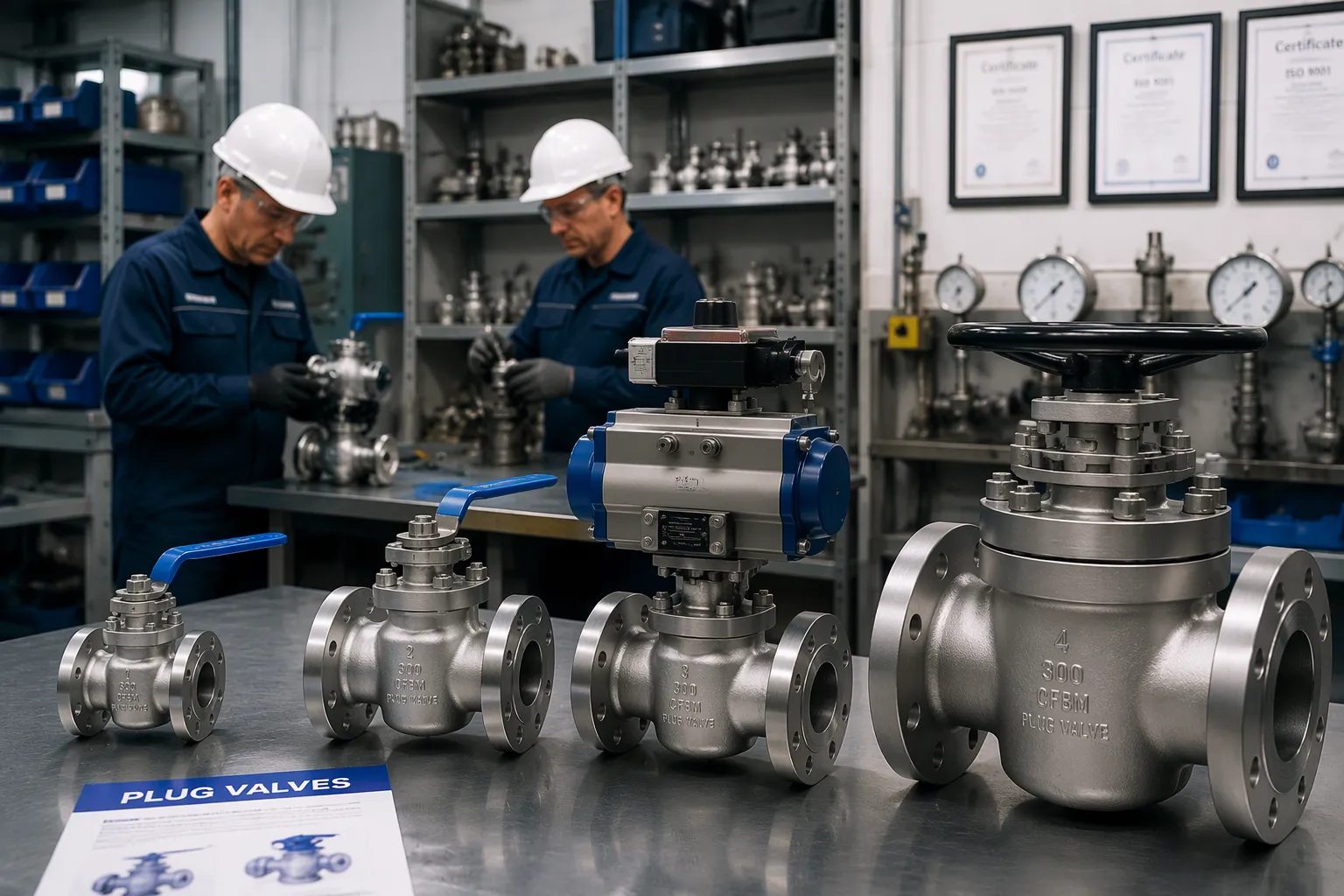
Quality checks and testing show which makers are serious and which just resell from a catalog. A good wholesale plug valve supplier gives you material certificates, pressure test records, and size checks for every batch. Before you place bulk orders, get api, iso, and ansi compliance confirmed in writing. These standards set the rules for pressure ratings, test methods, and paperwork in most industrial markets.
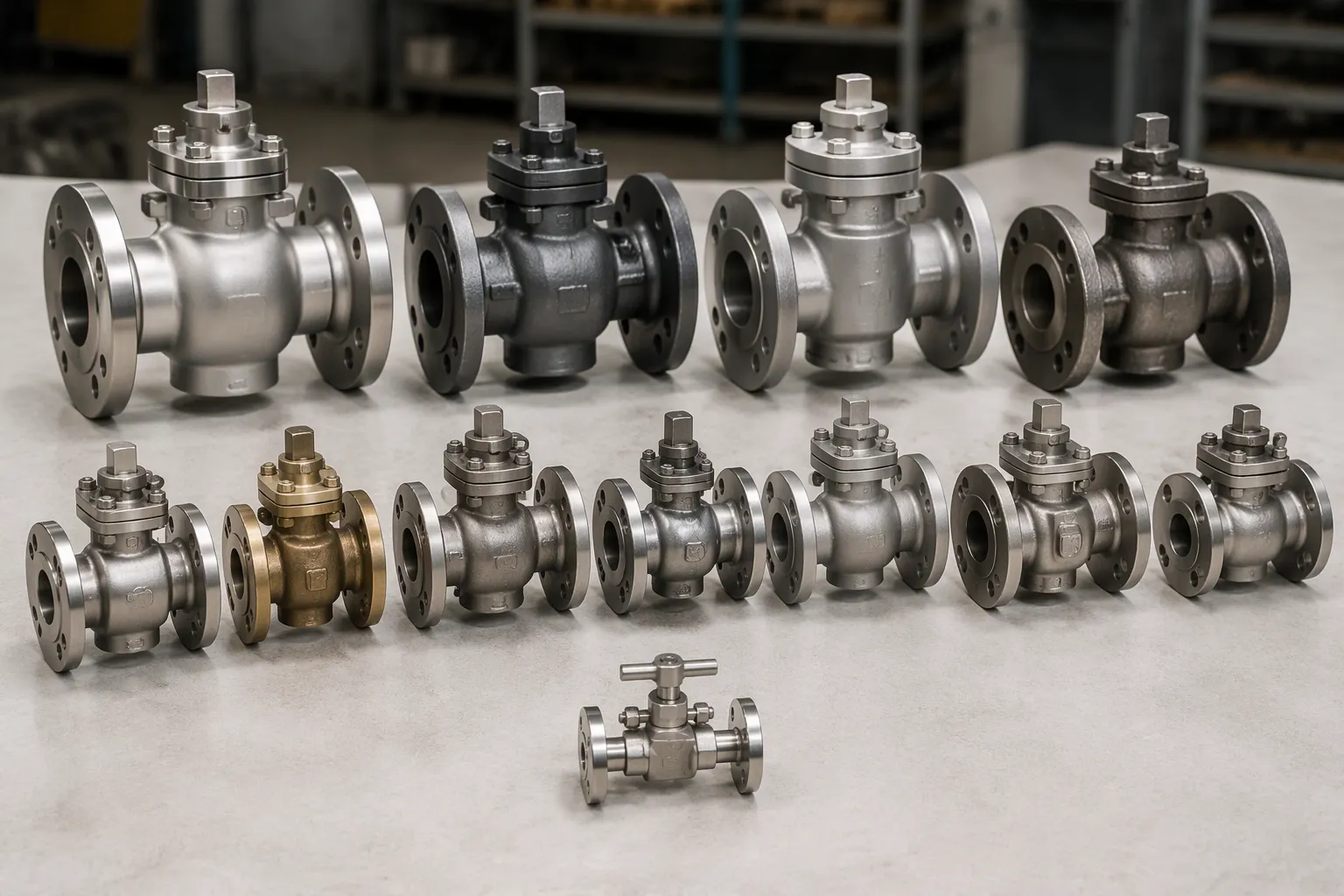
Product range matters just as much. Strong plug valve suppliers carry lubricated, non-lubricated, eccentric, and multi-port valves. That width lets one vendor handle isolation duty, diverting service, and dirty-stream jobs. A small catalog forces buyers to split orders across several sources. Split orders raise freight costs and make spare parts planning harder. If you buy plug valves in bulk, check that the range covers your full specification list.
Pricing, Reliability, and Support
Pricing structure deserves a close look. Unit cost at volume is very different from single-unit list price. Ask each wholesale plug valve vendor how it tiers bulk discounts and whether it holds quoted rates across repeat orders. Competitive pricing should come with a clear breakdown: valve body, trim, actuation, and freight. Hidden line items eat up savings fast.
Supplier reliability and reviews tell buyers what the price sheet cannot. Check delivery times against past project schedules. Ask for references from similar applications. Supplier reputation and reviews on industry forums add context, though buyers should verify claims directly. Technical support and customization complete the picture. A good plug valve supplier answers specification questions quickly and handles trim or actuation changes without long delays. Buyers should collect quotes from several vendors and compare terms side by side. Once pricing lines up, reliability and delivery times often decide the final choice.
Comparing Wholesale Plug Valve Vendor Options
How to Read the Comparison
The comparison table sums up all 12 suppliers in four columns: technical performance, application fit, regulatory compliance, and cost. The technical performance column covers pressure and temperature ratings plus actuation options. The application fit column shows which industries each name serves best. The regulatory compliance column lists API, ISO, and ANSI coverage. The cost column puts each wholesale plug valve vendor in a tier, from premium to value.
Readers should look at the table in two passes. First, find the rows that match the ratings and certifications you need. Second, compare cost tiers within that shortlist. A premium tier only makes sense when the job needs severe service or deep documentation. A value tier works well for standard duty at high volume. The table gives a quick look, not a final answer. Buyers should check every cell against current quotes from wholesale plug valve suppliers before they commit to bulk orders.
Matching Suppliers to Applications
How severe the application is drives the match. High-pressure hydrocarbon lines and frequent-cycling isolation duty favor Emerson, Flowserve, or Bliss Americas. Municipal water and light industrial service fit Pentair, Lixin, or SAFVAL at lower cost. Buyers who need one vendor across many valve types should look at Anix Valve USA or Crane.
Volume shapes the second half of the decision. Large programs that need plug valves in bulk often gain from the five recognized Chinese manufacturers, plus Formen Valve and AFC Valve. These plug valve suppliers compete on competitive pricing and delivery speed. Smaller or specialty orders may justify a premium brand. Buyers should request quotes from at least three names per group, then weigh supplier reliability and lead times against unit cost. A wholesale plug valve distributor can often confirm stock and scheduling faster than a direct factory inquiry. That step shortens the path from shortlist to purchase order.
How to Choose a Wholesale Plug Valve Supplier
From Specification to Request for Quote
A clear specification starts the process. Buyers should list valve size, pressure class, temperature range, body material, trim, and actuation needs. They should also state the standard the valve must meet, such as API or ANSI. This document becomes the basis for every talk with wholesale plug valve suppliers.
The next steps follow a set order:
Define the full specification and the expected order volume.
Send a request for quotes to each shortlisted supplier.
Check samples and paperwork against the specification.
Confirm lead times, payment terms, and freight costs.
Place the order and track production and shipment.
Buyers who send the same specification to every wholesale plug valve supplier get clean quotes they can compare. A vague inquiry invites vague pricing. Clear inputs also help manufacturers quote accurate delivery windows.
Samples, Lead Times, and Terms
Samples show what a datasheet cannot. Buyers should inspect build quality, check material certificates, and confirm pressure test records before they commit to bulk orders. A wholesale plug valve vendor that gives full paperwork early usually keeps that standard through production.
Lead times deserve written confirmation. Buyers should ask each plug valve supplier for current production schedules and typical delivery windows. Supplier reliability shows up here. A vendor that misses promised dates on a sample order rarely does better on a large one.
Terms complete the picture. Buyers should compare quotes on payment schedule, freight responsibility, and warranty coverage. They should also confirm whether pricing holds across repeat orders. Buyers who compare quotes side by side spot hidden costs fast. Strong reliability and delivery times often outweigh a small price gap. That balance decides the final choice for plug valves in bulk.
Technical performance, application fit, regulatory compliance, and cost are the four main parts of this comparison. Global manufacturers lead in severe service and documentation. Asia-Pacific producers give good value at high volume. Specialty houses cover domestic lubricated duty and a wide product range. Each group is strong in a different area.
There is no single winner. The right choice depends on the buyer's application and order volume. Buyers should weigh supplier reliability and lead times along with price. They can check the comparison table, then ask shortlisted wholesale plug valve suppliers for quotes. A wholesale plug valve supplier that answers specification questions fast earns the order. Every wholesale plug valve vendor on the list deserves a fair look. Buyers who compare plug valve suppliers on fit, not fame, build stronger bulk programs.
FAQ
How do buyers check a supplier's certifications before ordering?
Buyers should ask for material certificates, pressure test records, and written proof of API, ISO, and ANSI compliance for each product line. A trustworthy wholesale plug valve supplier gives these documents before the first order. Checking early stops paperwork gaps later, when production schedules are tight and changes cost time.
Which valve design works for dirty or abrasive service?
Lubricated plug valves use a grease film that seals the plug and cuts wear during frequent cycling. This design handles slurries and dirty streams well. Non-lubricated and eccentric designs work for cleaner duty. Buyers should match the design to the service conditions, not to the lowest unit price.
How many quotes should a buyer collect?
Three quotes per supplier group give a fair picture. One quote hides the market range. Buyers should send the same specifications to every vendor, then compare unit cost, freight, payment terms, and delivery windows side by side. This approach keeps bulk pricing honest and shows which vendors hold rates across repeat orders.
Can suppliers handle custom trim or actuation?
Many manufacturers offer actuation packages, including electric, pneumatic, and hydraulic options. Custom trim requests differ by supplier. Buyers should confirm customization ability during the quote stage. A supplier that answers specification questions quickly usually handles changes without long delays.
What causes price differences between suppliers?
Cost tiers reflect where products are made, how deep the documentation goes, support networks, and certification scope. Premium brands carry global service and traceability. Value-tier producers compete on price and delivery speed. Buyers should weigh total cost of ownership against unit price, then match the tier to application severity and order volume.