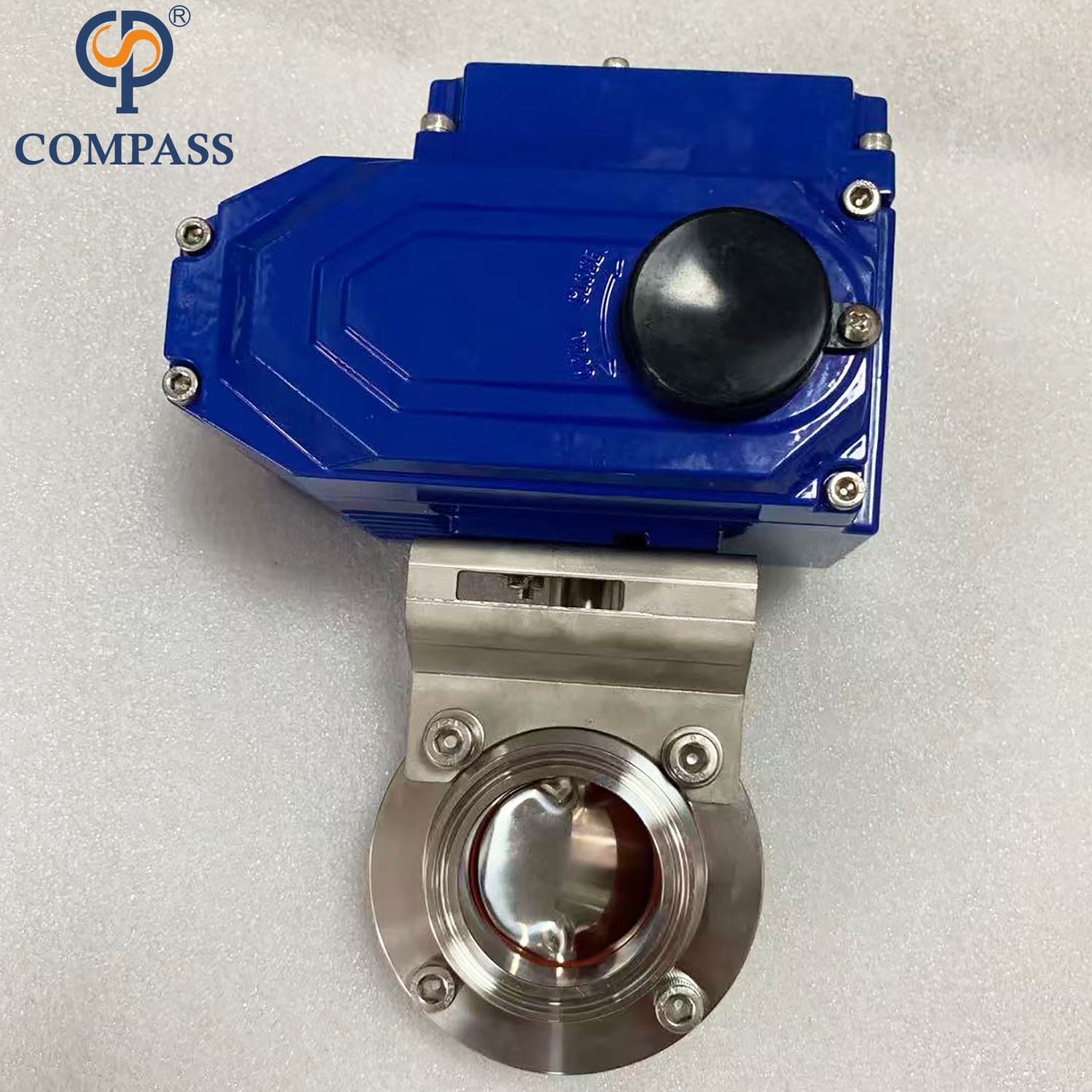
Precise pressure management in hygienic processing environments directly impacts product quality, yield, and vessel integrity. Even minor pressure deviations during sensitive operations can ruin an entire batch or damage equipment. Standard safety valves and manual pressure relief systems often fail in automated processes like fermentation, which generate continuously increasing pressure. Relying on manual intervention introduces significant risks. You face tank damage from overpressure, bacterial contamination from poorly designed relief vents, and process downtime.
You need specialized, automated regulating solutions designed specifically for remote pressure control in hygienic tanks. The sb pressure exhaust valve solves these exact operational limitations. By integrating directly with plant automation systems, it provides continuous, highly accurate pressure modulation without manual adjustments. This guide breaks down the operational mechanics, technical specifications, and implementation realities of these valves to support your engineering and procurement decisions.
Key Takeaways
Core Function: The SB pressure exhaust valve is an automated regulating valve engineered to continuously and remotely control working pressure in tanks during processes that generate excess gas or pressure.
Primary Use Case: Industry-standard for hygienic fluid handling applications, specifically in brewery (fermentation and CO2 recovery), dairy, food, and beverage processing.
Operational Mechanism: Utilizes a pneumatically actuated system for force opening and precise pressure modulation, integrating directly with plant automation systems.
Implementation Reality: Requires strict adherence to OEM safety protocols regarding compressed air management and necessitates proper integration with Clean-in-Place (CIP) systems for compliance.
Table of Contents
Toggle
What Is an SB Pressure Exhaust Valve?
Pressure Control for Hygienic Tanks
The SB Pressure Exhaust Valve is a hygienic valve designed to automatically control and maintain pressure inside closed tanks. Unlike traditional safety relief valves that only activate during overpressure events, it continuously adjusts the exhaust opening to release excess gas and keep the tank pressure stable.
Key functions:
Automatic pressure regulation
Continuous gas release control
Stable tank operating conditions
Protection against pressure fluctuations
Working Principle in Sanitary Processing
During processes such as fermentation, gas generation increases tank pressure. The valve responds by adjusting its internal plug position according to the pressure requirement. This allows precise gas release while maintaining the required pressure setpoint.
It is commonly used in:
Fermentation tanks
Beverage processing systems
Food production equipment
Hygienic process vessels
Difference from Standard Exhaust Valves
SB Pressure Exhaust Valves are specifically designed for sanitary applications. Unlike standard pneumatic quick exhaust valves or industrial exhaust valves, they focus on:
Feature
Hygienic Pressure Exhaust Valve
Standard Exhaust Valve
Main Purpose
Tank pressure control
Air release
Application
Food, beverage, pharmaceutical
General industry
Control Method
Automatic regulation
Simple exhaust
Design Focus
Cleanability and hygiene
Basic operation
Integration in Hygienic Tank Systems
The valve is normally installed at the top of the tank where process gases accumulate. It works together with gas supply systems, CO₂ recovery lines, and CIP cleaning systems to maintain safe and controlled production conditions.
Typical installation includes:
Tank Headspace ↓ SB Pressure Exhaust Valve ↓ Gas Exhaust / Recovery System ↓ CIP Cleaning Connection
This design helps manufacturers achieve accurate pressure control while maintaining sanitary production standards.
How an SB Pressure Exhaust Valve Controls Tank Pressure
Main Components and Hygienic Design Features
A sanitary pressure exhaust valve consists of key components including the valve body, plug and seal assembly, pneumatic actuator, and spring mechanism. These parts work together to control gas release while maintaining hygienic performance. The product-contact parts are typically made from 316L stainless steel for corrosion resistance, while FDA-approved seals such as EPDM and FKM help ensure safe operation during production and cleaning cycles.
How the Valve Regulates Pressure Automatically
The valve maintains stable tank pressure through continuous adjustment rather than simple open-and-close operation. During processes such as fermentation, increasing CO₂ pressure is controlled by adjusting the exhaust opening to release the required amount of gas. The balance between tank pressure, spring force, and pneumatic control allows the valve to maintain accurate pressure settings.
How Pneumatic Control Enables Remote Operation
Pneumatic actuation allows the valve to be controlled remotely through automation systems such as PLC or SCADA. Compressed air adjusts the valve opening according to process requirements, enabling operators to manage pressure without manual adjustments at the tank. This improves safety, reduces labor requirements, and supports automated production control.
How Pneumatic Control Enables Remote Operation
Performance and Success Criteria
Choosing the right valve requires matching pressure rating, flow capacity, and response speed with the process requirements. The valve must handle the tank’s maximum working pressure and release excess gas quickly enough to maintain stable pressure. Proper sizing and fast actuator response help prevent pressure fluctuations, protect product quality, and ensure reliable operation.
Hygiene and Compliance Standards
Sanitary pressure exhaust valves must meet strict hygiene requirements for food, beverage, and pharmaceutical applications. Certifications such as EHEDG, 3-A, and FDA help ensure safe materials and hygienic design. The valve should have self-draining features and a smooth internal structure without dead areas where liquid or bacteria can accumulate, supporting effective cleaning and preventing contamination.
System Scalability and Automation Integration
Modern facilities demand scalable solutions that plug into existing networks. Assess the specific requirements for integrating the valve's pneumatic controls with your plant infrastructure. This includes evaluating the availability of clean, dry instrument air (typically meeting ISO 8573-1 standards) and the capacity of the current PLC network to handle additional control loops. The valve must communicate effectively with the central system to realize its full operational potential.
Evaluate the availability of feedback sensors, such as position indicators or proximity switches. These sensors provide real-time data back to the PLC, confirming the physical position of the valve plug. This feedback is essential for closed-loop control systems. It allows the automation software to verify that the valve has responded correctly to the command signal, thereby preventing process errors before they impact the product.
Automated vs Manual Pressure Control: Key Differences
Why Choose an Automated Pressure Exhaust Valve?
Transitioning from manual relief valves to automated systems involves evaluating distinct operational trade-offs. You must weigh the higher initial CapEx and installation complexity of the automated valve against the ongoing labor costs, inherent inaccuracy, and safety risks associated with manual pressure relief. Manual systems require constant human monitoring and physical adjustments. These are prone to error and expose operators to hazardous environments at the top of fermentation vessels.
The true value of automation reveals itself through significant yield improvements and product consistency. Precise, automated pressure profiling allows facilities to maintain exact carbonation levels in beverages and optimize CO2 recovery yields. By eliminating the pressure fluctuations inherent in manual control, automated valves ensure every batch meets strict quality parameters. This reduces waste and increases overall production efficiency.
Feature
Manual Relief Valve
Automated Exhaust Valve
Control Method
Physical adjustment by operator
PLC/SCADA pneumatic signal
Response Time
Slow, relies on human intervention
Immediate, continuous modulation
Safety Risk
High (requires tank-top access)
Low (remote operation from control room)
Process Consistency
Variable, prone to fluctuations
Highly stable, exact setpoints maintained
CIP Integration
Often requires manual breakdown
Fully automated force-opening
Initial Cost vs Long-Term Operating Benefits
Evaluating the financial impact requires looking beyond the initial purchase price to understand the long-term operational value. A rigorous analysis of maintenance intervals is necessary. High-quality automated valves are designed for extended operational cycles between rebuilds. The durability of the pneumatic actuator over a 5-to-10-year lifecycle heavily offsets the initial investment when compared to cheaper, third-party alternatives that require frequent replacement.
The availability and reliability of OEM replacement seal kits play a massive role in long-term viability. Utilizing genuine spare parts ensures the valve maintains its original hygienic compliance and performance specifications. While third-party elastomers might offer a lower upfront cost, they frequently fail prematurely under the stress of aggressive CIP chemicals. This leads to unplanned downtime and potential product contamination that far exceeds the savings on the parts themselves.
Common Installation Problems and Solutions
Pneumatic System Hazards and Safety Protocols
Pneumatic systems require strict safety procedures during operation and maintenance. Always release compressed air before servicing the valve to prevent unexpected movement and injury. Operators should follow LOTO (Lock-Out/Tag-Out) procedures to isolate air and electrical sources before working on the equipment.
Installation and Valve Calibration Guide
Correct installation and calibration ensure stable pressure control. The valve should be installed in the proper position, with suitable pipe support and no flow restrictions. During calibration, technicians should check air pressure, test valve movement through PLC signals, and confirm accurate opening and closing performance. Proper calibration prevents pressure fluctuations and improves system reliability.
Maintenance and CIP/SIP Cleaning Requirements
Sanitary pressure exhaust valves must be integrated with CIP and SIP cleaning systems to maintain hygiene. During cleaning, the valve opens automatically to allow cleaning fluids to reach internal surfaces. Regular inspection and replacement of wear parts such as seals and O-rings help prevent leaks, maintain pressure control, and reduce unexpected downtime.
Conclusion
The automated pressure exhaust valve serves as a foundational component for modern hygienic processing facilities. Operations that demand exact, remote pressure management cannot rely on outdated manual relief systems. By providing continuous, pneumatically controlled modulation, these valves protect vessel integrity, ensure strict product consistency, and integrate directly into automated cleaning cycles. They represent a critical upgrade for any high-volume fluid handling environment.
To move forward with implementation, execute these specific next steps:
Confirm your specific tank MAWP and calculate peak gas generation rates to size the valve's flow capacity accurately.
Consult with a dedicated process engineer to verify the required hygiene certifications (EHEDG, 3-A) for your specific industry application.
Assess your current pneumatic infrastructure to ensure adequate, clean control air is available at the tank top.
Request comprehensive technical data sheets and material certificates from authorized distributors to verify compliance.
Review your existing CIP and automation protocols to ensure the new valve can integrate without requiring a complete overhaul of your control architecture.
FAQ
Q: What is the primary function of an SB pressure exhaust valve?
A: The primary function is the automated, remote reduction and maintenance of working pressure in hygienic tanks. It continuously modulates to vent excess gas generated during dynamic processes, ensuring the internal environment remains at an exact, predetermined setpoint without requiring manual intervention.
Q: How does an SB pressure exhaust valve differ from a standard safety relief valve?
A: Automated exhaust valves are designed for continuous process regulation and precise, remote control of standard working pressures. In contrast, standard safety relief valves act purely as fail-safes. They remain closed during normal operation and only open during extreme overpressure emergencies to prevent catastrophic tank failure.
Q: What industries rely on SB pressure exhaust valves?
A: These valves are heavily utilized across the hygienic fluid handling sectors. Primary industries include brewery, dairy, food, and beverage processing. They are especially critical in applications involving fermentation, precise carbonation, and automated CO2 recovery processes where gas management dictates product quality.
Q: How do you clean an SB pressure exhaust valve?
A: Cleaning is achieved through integration with automated Clean-in-Place (CIP) systems. During the CIP cycle, a pneumatic signal triggers the force-opening mechanism, lifting the internal plug. This allows aggressive cleaning chemicals and sterilizing steam to flush completely over the valve seat and internal seals.
Q: What are the compressed air requirements for the actuator?
A: The pneumatic actuator requires a continuous supply of clean, dry, and regulated instrument air. Moisture or particulate matter in the air supply will damage the internal pneumatic components. Operators must reference the specific OEM data sheet to match the exact pressure bar requirements for optimal valve modulation.
Q: Are spare parts readily available for SB pressure exhaust valves?
A: Yes, but sourcing genuine OEM service kits is mandatory. Utilizing authentic replacement parts, such as specific Alfa Laval elastomers and actuator components, ensures the valve maintains its original hygienic compliance, pressure ratings, and operational longevity, preventing premature failure caused by incompatible third-party materials.
Q: Can an SB pressure exhaust valve be retrofitted to existing tanks?
A: Retrofitting is entirely feasible, provided the existing tank possesses the correct sanitary connections at the top of the vessel. Additionally, the facility must be able to route a regulated pneumatic control line and the necessary PLC communication cables to the new valve location to enable remote operation.