What changes turn a standard ball valve into a marine-grade part? The answer comes down to a small set of key changes:
Materials that resist rust
Better sealing
A small, strong design
Options for powering the valve
Marine certification
A ball valve's round ball, stem, and handle or actuator make up its main structure. Marine engineering then makes each of these parts stronger for saltwater use. This article looks at how ball valves adapted through these categories. It also shows where marine ball valves fit in ship systems. Designers who choose marine ball valve hardware will find the reason behind each change, from metal choice to approval by classification societies. The discussion covers valves used in ballast, fuel, and cooling service.
Key Takeaways
Pick materials that resist rust, like stainless steel or super duplex. This helps the valve last longer in saltwater.
Choose the right seat material and seal design to make sure the valve closes tightly and stays safe.
Choose small, sturdy valves that save space and hold up under vibration and shock.
Plan for easy upkeep and certification so ships can keep sailing without delays.
How Ball Valves Adapted Through Corrosion-Resistant Materials
The material you pick decides how well ball valves handle the sea. Seawater is corrosive, and it attacks normal metals from the first day they are used. Designers fix this problem with corrosion-resistant materials, and each group of alloys does a different job.
Stainless Steels and Super Duplex Alloys
Stainless steel grades like 316 give marine ball valves a proven mix of low cost and long life. This alloy forms a protective oxide layer that slows saltwater corrosion on wetted parts. Super duplex alloys go even further. They offer greater strength and corrosion resistance, so they work well in high-pressure lines, offshore topsides, and splash-zone duty where pitting and stress cracking harm weaker grades. These corrosion-resistant alloys cost more, and fabricators must weld them with care. The benefit is a longer service life on demanding circuits.
Brass, Bronze, and Polymer Options
Brass works for lower-pressure and lower-temperature service, such as instrument air and fresh-water lines. Bronze handles general seawater duty well, and it has a long history in marine plumbing and pump connections. Polymer bodies and internals serve light-duty and non-metallic piping systems. Zinc-coated steel rusts fast in saltwater, so choosing handle and trim material matters as much as choosing the body. A bronze body with a plated steel handle still fails at the handle. Buyers should check every wetted and exposed part, not just the body.
Material
Best fit
Watch point
Brass
Low-pressure, low-temperature service
Dezincification in aggressive water
Bronze
General seawater duty
Lower pressure ratings than alloys
Stainless steel
General marine service
Chloride pitting in stagnant seawater
Super duplex
High-demand offshore service
Higher cost, careful welding
Seawater corrosion seldom stops at just one mechanism. It mixes chloride attack, galvanic coupling, and erosion. So material selection must weigh the whole assembly. A corrosion-resistant ball, stem, and seat support each other. One weak component shortens the life of the rest.
Advanced Sealing for Marine Applications
A valve body can resist salt water and still fail at the seat. Sealing decides whether a ball valve keeps a line closed through years of wet, cycling service. Marine use is hard on seals because of constant moisture, pressure swings, and frequent operation. Designers respond with seat materials and seal shapes that match the job.
Seat Materials and Seal Geometry
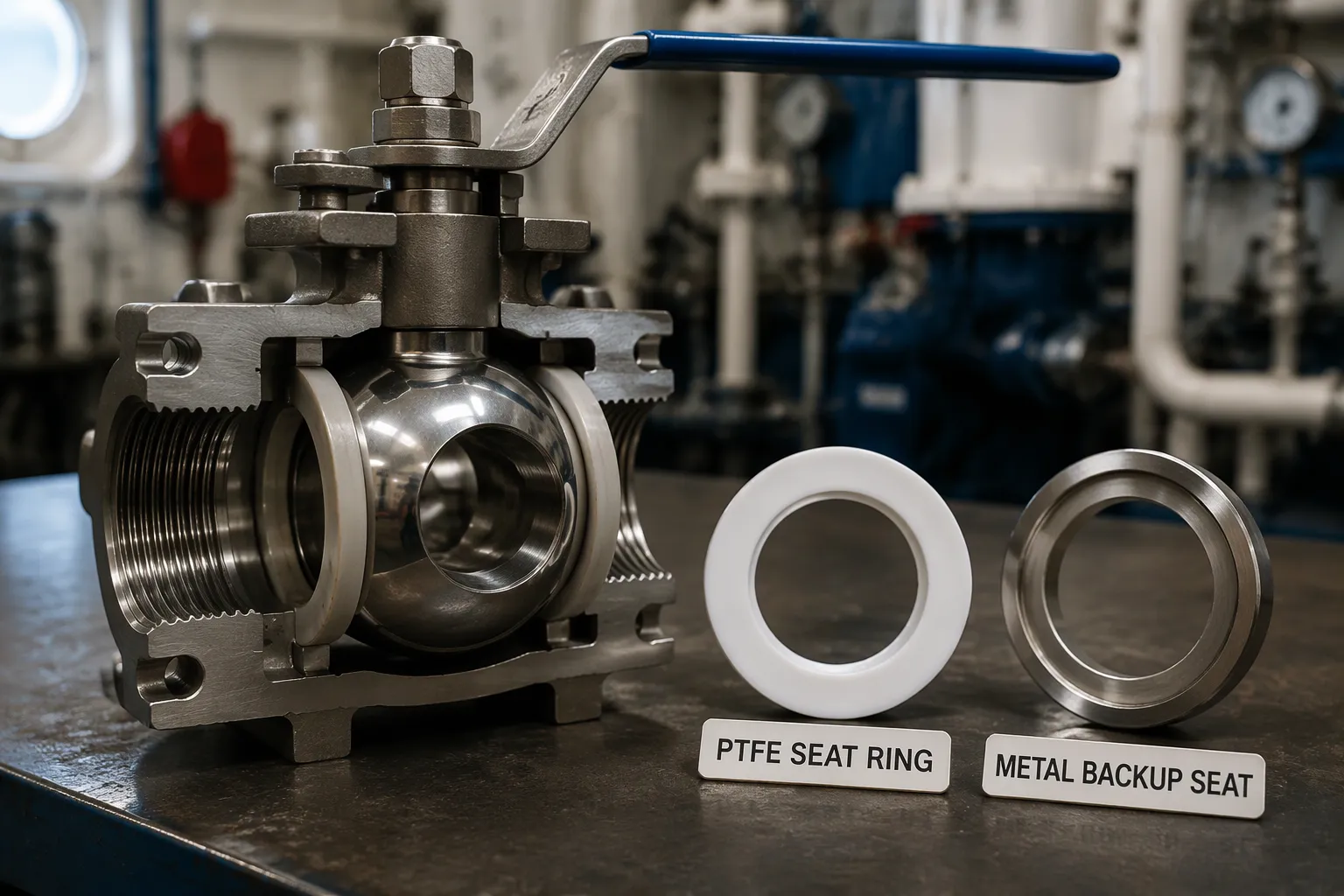
The seat is the soft ring that presses against the ball and stops flow. Common choices include PTFE, reinforced PTFE, and elastomers such as nitrile or Viton. Each one fits a different service window.
Seat material
Best fit
Watch point
PTFE
Broad chemical service, moderate temperature
Cold flow under sustained load
Reinforced PTFE
Higher pressure, frequent cycling
Slightly higher torque
Nitrile
General water and fuel duty
Limited temperature range
Viton
Fuels, oils, higher temperature
Higher cost
Seal shape matters as much as the material. A floating-ball design lets line pressure push the ball into the downstream seat, which gives tight sealing at higher pressures. Trunnion-mounted balls hold the ball in place and suit larger sizes and actuation. Marine valves often add a second seal or a lip design that keeps contact force steady as the seat wears. This detail supports reliable shutoff across thousands of cycles. A well-chosen seat also limits crevice attack, because trapped seawater in a loose seat gap invites corrosion.
Fire-Safe and Low-Emission Sealing
Safety rules shape seal design on board. Fire-safe construction keeps a metal-to-metal backup seat behind the soft seat. The soft seat gives tight sealing in normal service. The metal backup holds the line closed after heat destroys the polymer. Designers check this behavior against named standards such as API 607 and ISO 10497, which define the burn and pressure test sequence.
Emission control adds a second layer. Stem seals on marine valves must limit fugitive leakage, and standards such as ISO 15848 define test classes for this. A live-loaded packing gland keeps stem sealing force constant as the packing settles. This choice supports marine reliability over long service intervals, when a crew cannot easily retighten a gland at sea.
Seat and seal choices work as a system. A soft seat that suits cold seawater may soften too far in a hot fuel line. A fire-safe metal backup that protects a fuel valve may add torque that a small handle cannot overcome. Designers weigh the medium, the temperature, the cycling rate, and the safety class together. That balance is central to how ball valves adapted for marine duty, and it explains why a general-service seat rarely transfers unchanged into a ship's system.
Design Modifications for Maritime Applications
Space on a ship is tight, and every part must be worth its spot. Designers change ball valves for sea use by making the body smaller, planning for movement, and getting the valve ready for power operation. These changes set apart a general-service valve from one made for ship duty.
Compact Bodies and Space-Saving Layouts
Engine rooms and hull spaces leave little room for pipes. Smaller valve bodies take up less space and let crews run lines through narrow paths. A short face-to-face length saves pipe, and a low-profile handle clears structures overhead. These layout choices matter most in crowded manifolds, where several valves sit side by side.
Installation details also shape the design. Thru-hull fittings need proper bedding at the base of the outside threads. This bedding seals the hull opening and stops water from creeping into the hull structure. Hoses below the waterline call for double clamping. Two clamps on each connection give a backup if one clamp loosens under vibration. Designers plan these details into the valve and fitting layout, so the crew can install and check them with standard tools.
Vibration, Shock, and Actuation Readiness
A hull flexes, engines shake, and waves slam the structure. Valves must hold their settings through harsh sea conditions. Strong stems, secure mounting, and firm handle stops keep the ball in place when the vessel pitches and rolls. Designers also test for shock loads, because a valve that drifts open at sea can flood a compartment or starve an engine.
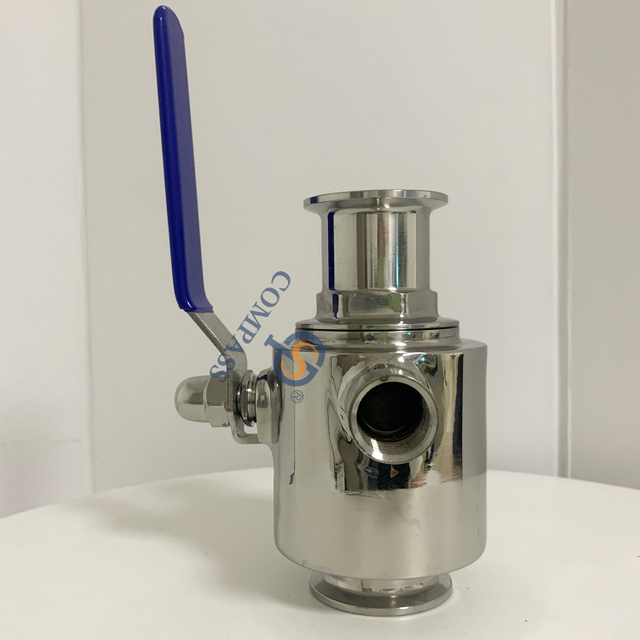
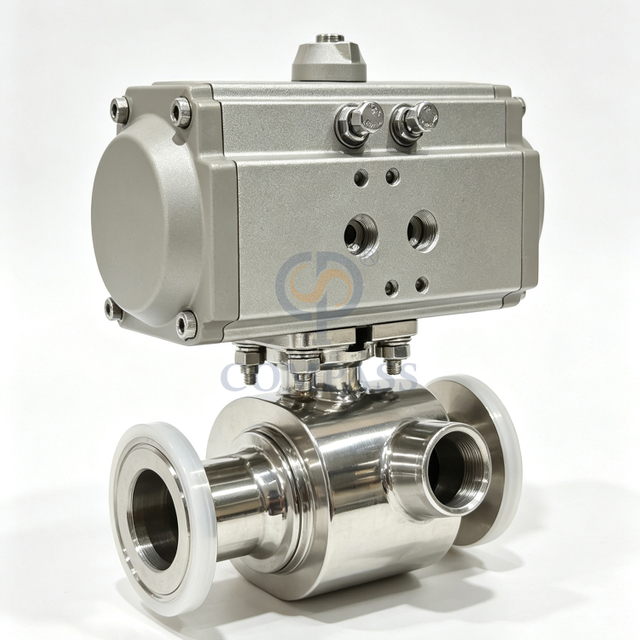
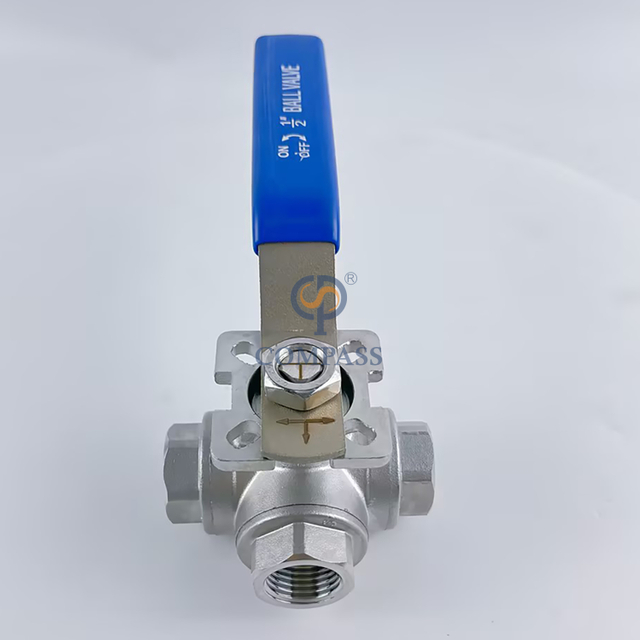
Actuation gives crews a choice. A lever handle suits manual operation and quick shutoff. A pneumatic or electric actuator suits remote control and automated sequences. Both options support fast operation, and a full-port ball design keeps pressure drop low across the valve. These traits fit fuel transfer lines, where fast isolation protects the engine room, and cooling circuits, where low resistance keeps flow steady. The same features serve valves across maritime environments, from workboats to large commercial hulls.
Designers who understand how ball valves adapted for harsh marine conditions treat these details as one package. A compact body, a secure mount, and a ready actuator mount work together. Each one supports reliable service when the vessel meets rough water.
Ball Valves Across Marine System Applications
Ballast, Bilge, Fuel, and Cooling Systems
Every ship system asks something different of its valve. Ballast systems move a lot of seawater to level and steady the vessel. A full-port marine ball valve keeps pressure drop low and lets the pump run at its rated flow. Bilge lines carry dirty water and debris, so a strong seat and a clear bore matter more than fine control. Fuel transfer lines need fast, tight shutoff, and a fire-safe seat supports that job. Cooling circuits run nonstop, so the valve must keep a steady seal through long service hours.
Crews value quick operation in all four systems. A quarter-turn handle shuts off a line in seconds, and an actuator allows remote control from a safe station. Marine ball valves in these lines also resist corrosion from constant wet service. Material and seat choices follow the medium, the pressure, and the temperature of each circuit.
Severe Service and Offshore Duty
Severe service means high temperature and high pressure together, often with erosive and possibly corrosive media. These conditions go beyond what a standard valve can handle. Offshore duty adds splash-zone exposure, constant motion, and long gaps between service visits. Designers answer with super duplex bodies, metal-backed seats, and heavy stems that hold their shape under load.
Severe service also wears down weak trim. Erosive media wear a soft seat quickly, and high temperature softens polymers. A fire-safe metal backup and a reinforced seat extend life in these lines. Operators who match the valve to the duty avoid repeated failures in maritime environments where a repair job is costly and slow.
Maintenance and Certification for Marine Service
Inspection, Repair, and Serviceability
A ship can't go to a repair yard every month, so a valve must be easy to check while at sea. Crews look at marine ball valves for stem leaks, loose handles, and seat wear during normal rounds. A quarter-turn handle makes a simple test easy: the operator turns the valve and checks for a tight shutoff. Designs that are easy to service help here. A bolted body lets a technician replace seats and seals without cutting the pipe, and a stem packing you can remove lets the gland be renewed in place. These features protect marine reliability over long trips.
Repair planning starts when the valve is designed. Spare seat kits, written torque values, and clear tagging help a crew act fast. A valve that needs special tools or draining the whole line costs the vessel time and money. So designers favor standard trim sizes and fasteners that are easy to reach. They also keep a maintenance history for each unit, so the next survey has a clear record of sealing performance and part replacement.
Classification Society and Industry Standards
Classification societies set the rules that let a vessel sail. Surveyors check valve type approval, material certificates, and pressure test records against class requirements. A valve without the right paperwork can stop a ship from sailing, no matter how well it works. So designers plan certification early and match each unit to the class notation for its service.
Industry standards support these class rules. Fire-safe testing follows API 607 or ISO 10497, and fugitive emission testing follows ISO 15848. Material traceability links each body and trim to a mill certificate. Together, class approval and standard testing give owners a documented basis for trust. They also guide future upgrades as rules get stricter for alternative fuels and lower emissions.
Ball valves started as general-service components. They became specialized marine products through three changes: corrosion-resistant materials, advanced sealing, and compact, robust design. Each change answers a real demand on board. Saltwater attacks metal, tight hull spaces limit layout, crews need reliable shutoff far from port, and classification societies enforce documented performance. Together, these pressures explain how ball valves adapted into hardware that ships can trust.
The work continues. Designers now refine seats, seals, and body alloys for alternative fuels and lower-emission operation. These efforts aim to keep marine environments safer and systems dependable as fuel rules evolve. The ball valve will keep changing with the fleet.
FAQ
Which seat material suits a seawater ballast line?
A reinforced PTFE seat works well for most ballast duty. It handles frequent cycling and moderate pressure well. Nitrile works for general water service at lower temperatures. Crews should match the seat to the medium, the pressure, and the temperature of each circuit.
Why does a fire-safe backup seat matter on a fuel valve?
A soft seat gives tight shutoff in normal service. Heat can destroy that polymer seat during a fire. A metal-to-metal backup seat holds the line closed after the soft seat fails. Designers check this behavior against API 607 or ISO 10497.
How does a crew check a ball valve at sea?
The operator turns the quarter-turn handle and checks for a tight shutoff. Crews also look for stem leaks, loose handles, and seat wear during normal rounds. A bolted body lets a technician replace seats and seals without cutting the pipe.
What paperwork does a classification society require?
Surveyors check valve type approval, material certificates, and pressure test records against class requirements. Material traceability links each body and trim to a mill certificate. Missing paperwork can stop a vessel from sailing, so designers plan certification early.